
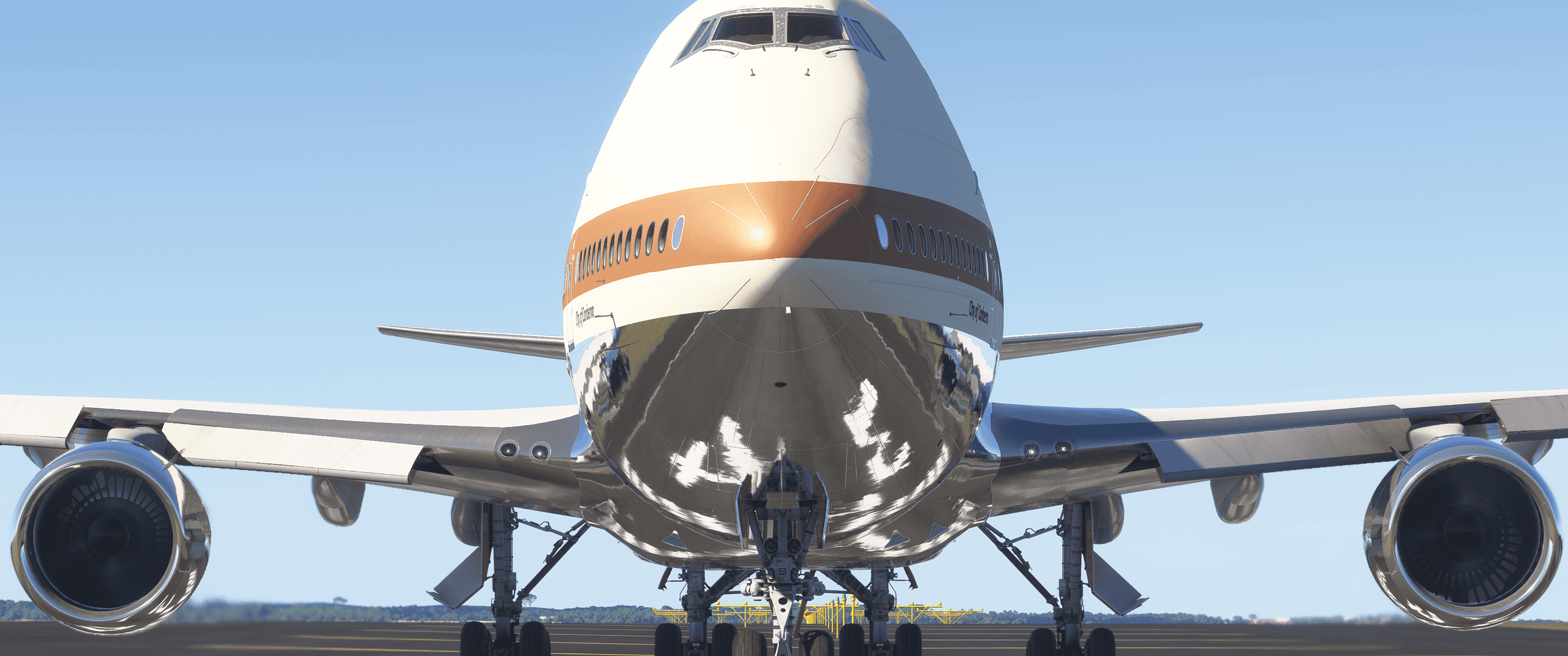
There are moments in life that stay with you forever — and for me, one of those moments happened sometime in the 1970s.
It was my very first time flying in an airliner.
I was on my way to Europe, and the first leg of the journey was from Sydney to Singapore. I can still remember stepping off the aircraft in Singapore and being hit by that wall of heat and humidity — something I’d never experienced before.
But what happened during that flight is what really stayed with me.
Flying Was Very Different Back Then
Flying in the 1970s was a very different experience to today.
There were no personal screens or digital entertainment.
Instead, movies were shown using a projector and a large screen at the front of the cabin. Depending on where you were seated, you might have had a reasonable view — or not much at all.
Passengers were given simple in-ear headsets, sealed in clear plastic bags. I remember they weren’t free — I think we paid about $2 for them, which at the time felt like part of the whole duty or tax side of international travel.
It all felt very basic compared to today — but at the time, it was just part of the experience.
My First Time in a 747 Cockpit

At around 2 am, I asked the stewardess if I might be allowed to go up to the flight deck to see it. I was subsequently allowed to go up to the flight deck.
Different times back then. Today, that would never happen — but in the 1970s, it wasn’t unusual under the right circumstances.
I was shown into the cockpit and seated on the observer’s jump seat, right in the middle. And what a sight it was.
The captain introduced himself and the rest of the crew, and then began explaining the cockpit to me — pointing out instruments and controls one by one. It wasn’t rushed at all. He took his time, and I remember being completely absorbed in what I was seeing and hearing.
A Flight Deck from Another Era

Note: The cockpit in this photo is from a more modern aircraft. Back in the 1970s, the 747 flight deck I saw was full of traditional analogue gauges and dials — a very different look to today.
This wasn’t the kind of cockpit world we know today.
In front of me was a wall of gauges, dials, switches, and softly glowing instruments.
- The captain sat in the left seat
- The first officer on the right
- And behind them, the flight engineer at his panel, surrounded by systems controls
There was also another crew member resting in a bunk behind the cockpit — something common on long-haul flights of that era.
At one point, a stewardess brought me a coffee — something that probably wouldn’t happen today.
The Strangest Part… No Sensation of Movement

What struck me most wasn’t the complexity of the cockpit.
It was the complete lack of movement.
We were travelling at high speed at 35,000 feet — yet it felt perfectly still.
- No sense of speed.
- No vibration.
- No feeling of motion at all.
Just a quiet, steady flight through the night. Then the captain pointed out something ahead.
A light — just slightly brighter than the others in the sky. He asked if I could see it. I said yes.
He told me it was another aircraft — one that had departed before us — and that it was about 50 miles ahead. That moment really stayed with me.
It made me realise just how vast the sky is — and how precisely everything is spaced and controlled.
Years Later — Inside a 747 on the Ground

Many years later, I had another incredible experience with a 747 — this time on the ground.
A friend of mine, who had previously worked for Qantas, arranged for me to visit one of the maintenance hangars in Sydney.
It was a Sunday. No engineers. No activity. Just the two of us inside this enormous aircraft.
The aircraft was connected to external power, and at one point, he switched something on. Suddenly, the aircraft came to life — lights illuminating throughout the cockpit and cabin.
Then I heard a sound. A soft, steady noise — almost like rain on a roof. I remember asking what it was.
He told me it was simply the cooling fans.
I also remember him telling me how expensive parts of the aircraft were — particularly the cockpit windows — and mentioning the special coatings used in them for heating and demisting.
Why These Moments Stayed With Me

Looking back, those two experiences — one in the air at 35,000 feet, and one inside a quiet aircraft on the ground — gave me a perspective that’s stayed with me ever since.
- One showed me the calm and stillness of flight.
- The other revealed the engineering and scale behind it.
- And together, they explain something I still believe today.
Flying might feel effortless…
But behind that feeling is an extraordinary level of design, precision, and human skill.
A Note on Memory and Accuracy

As I’ve written this, I’ve taken the time to fact-check parts of what I remember from that night.
Some details — like the three-person cockpit crew (captain, first officer, and flight engineer), the observer’s jump seat, and even being able to see another aircraft at a distance — all align well with how these flights operated at the time.
Other details, such as the exact distance to the aircraft ahead or the materials used in the cockpit windows, are based on memory and later understanding and may not be exact in every respect.
But the experience itself — the feeling of being there — is something I remember clearly.
And that’s the part that really matters.
Pete