The History of Microsoft Flight Simulator Era 5 — Transition and Uncertainty (2006–2019)

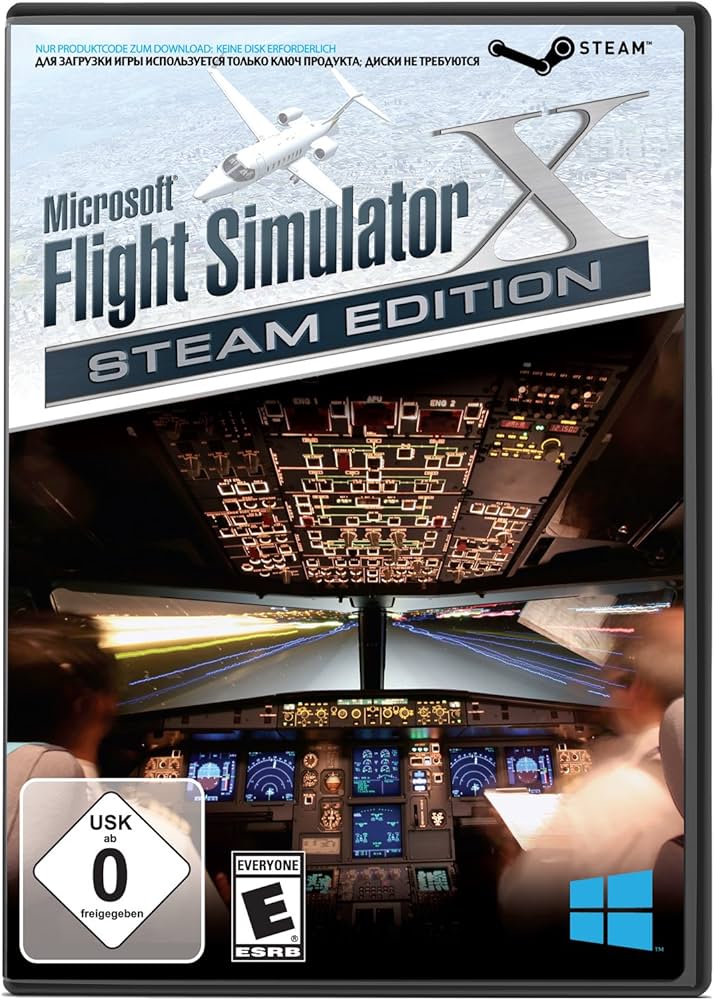
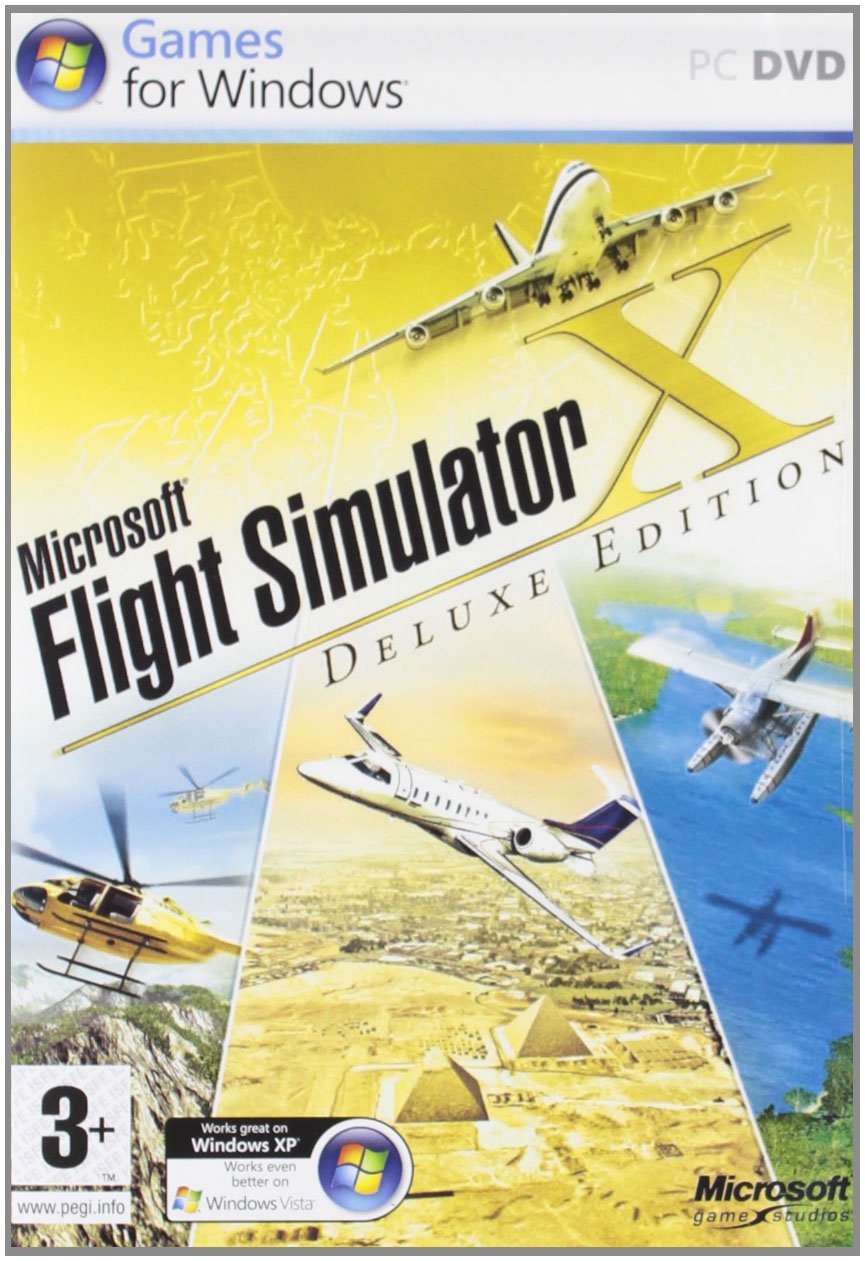
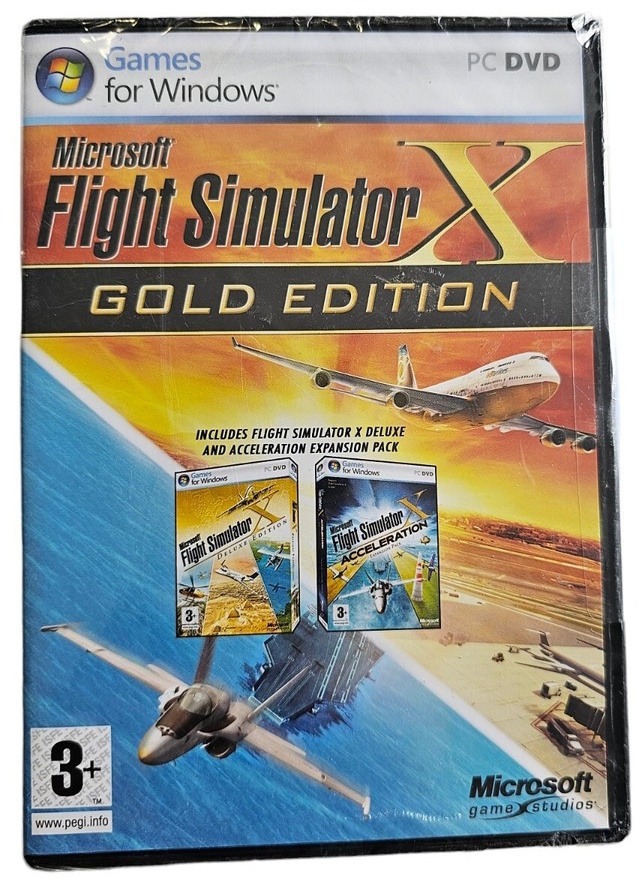
Microsoft Flight Simulator X Deluxe Edition

The History of Microsoft Flight Simulator. From 2006 to 2019, Microsoft Flight Simulator faced uncertainty after FSX, yet a dedicated global community ensured the spirit of virtual flight never disappeared. Era 5 is often remembered as an awkward, uneven period in the history of flight simulation — not because it lacked potential, but because it sat between two worlds.

The ambition was there. The technology was advancing rapidly. But something fundamental had shifted, and for a long time it wasn’t clear where flight simulation was headed.
Technology races ahead

By the mid-2000s, computer hardware was improving at a remarkable pace.

Systems now featured:

  • Multi-core processors
  • Powerful graphics cards
  • Vastly increased memory
  • High-resolution widescreen monitors

On paper, this should have been a golden age. The raw computing power available to home users was unprecedented.

But flight simulators, built on older foundations, struggled to take full advantage of it.

A simulator under strain

This era exposed a growing tension between legacy design and modern hardware.

The simulator still carried:

  • Older architecture
  • Performance limitations
  • Heavy reliance on single-core processing

Users found themselves with powerful machines that still struggled under the weight of complex scenery and add-ons. Tweaking settings became part of the experience — sometimes more than flying itself.

It could be rewarding, but also frustrating.

Add-ons grow more complex

Third-party developers continued to push boundaries.

Aircraft became:

  • incredibly detailed
  • system-rich
  • closer to study-level simulations

Scenery reached new levels of realism. Weather engines became more sophisticated. The simulator could look stunning — but only if everything was carefully balanced.

For some, this depth was the ultimate reward. For others, it felt like the hobby was becoming harder to access.

A divided experience

During Era 5, flight simulation began to split into different paths.

Some users embraced:

  • complexity
  • realism
  • procedural accuracy

Others missed:

  • simplicity
  • smooth performance
  • easy immersion

The hobby was still alive and active, but it no longer felt unified. Different platforms emerged, each with their own strengths and weaknesses, and users often had to choose what mattered most to them.

The quiet years

Perhaps the defining feature of this era was uncertainty.

There were moments of excitement, but also long stretches of quiet. Development felt slow. Official communication was limited. Many wondered whether flight simulation would ever truly evolve beyond its existing framework.

And yet, the community endured.

Dedicated simmers kept flying. Developers kept building. Knowledge was shared, refined, and preserved. The passion never disappeared — it simply waited.

A foundation held together by loyalty

What kept flight simulation alive during Era 5 wasn’t flashy innovation — it was commitment.

  • long-time users stayed invested
  • communities continued to support one another
  • the love of flying never faded

In hindsight, this era was less about progress and more about holding the line.

And sometimes, that’s just as important.

On the edge of something new

By the end of the 2010s, it was clear that something had to change. Expectations had outgrown the technology. The audience was ready for a fresh start — something that could bring flight simulation into a new age.

Few could have predicted just how dramatic that change would be.
Next Era

The History of Microsoft Flight Simulator Era 4 — The Golden Years (1996–2005)

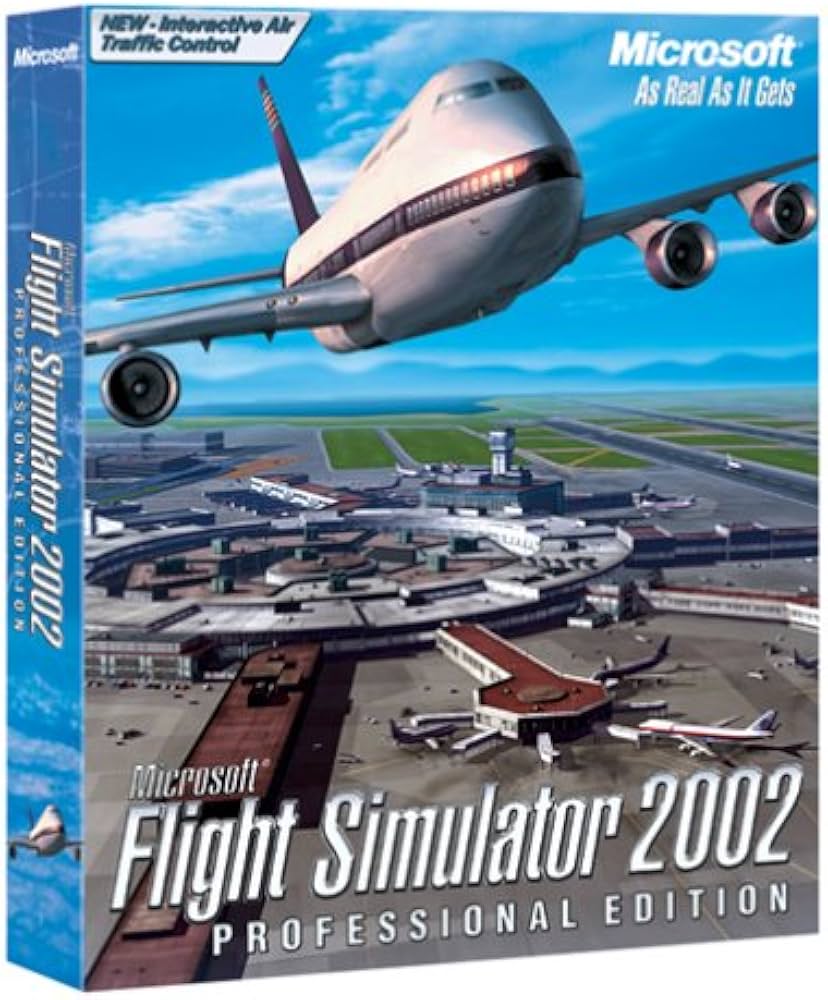
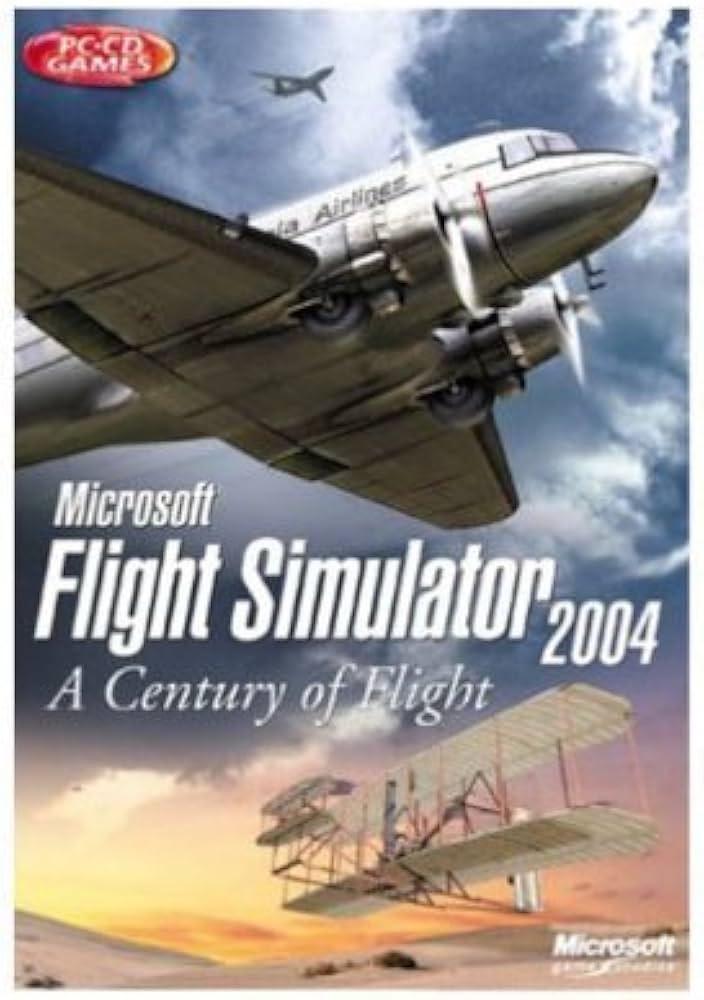
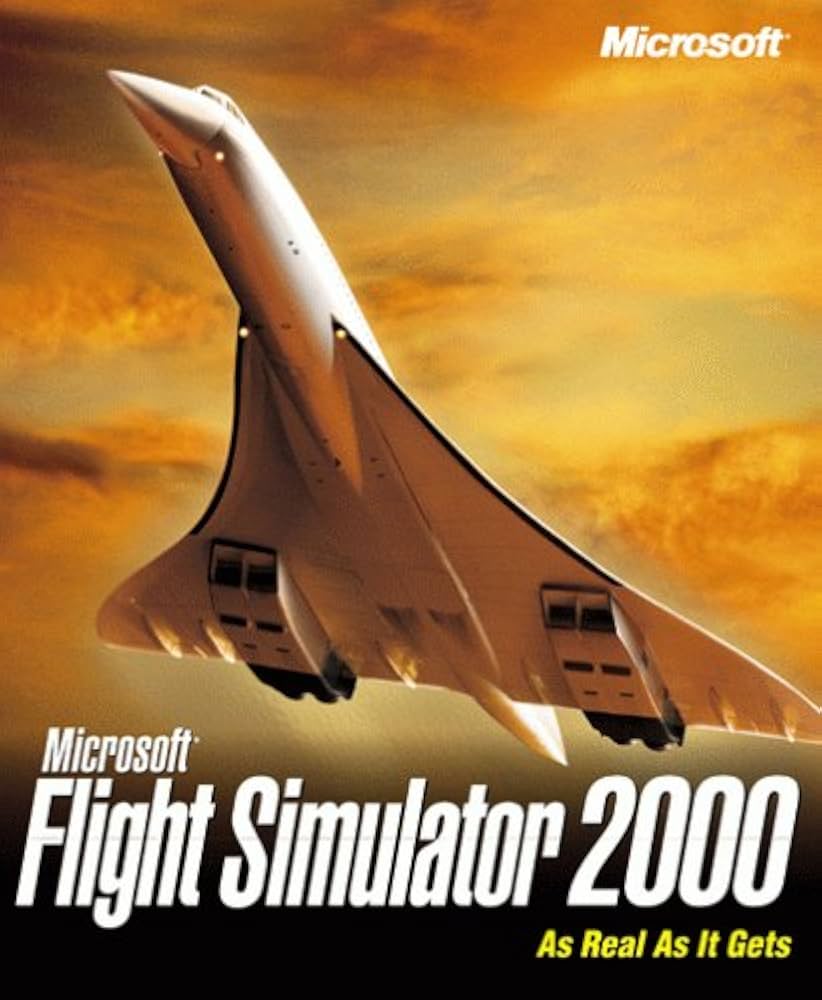
Microsoft Flight Simulator 2000

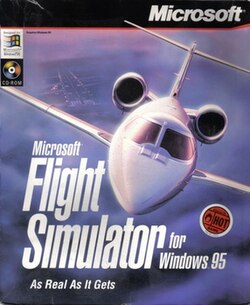
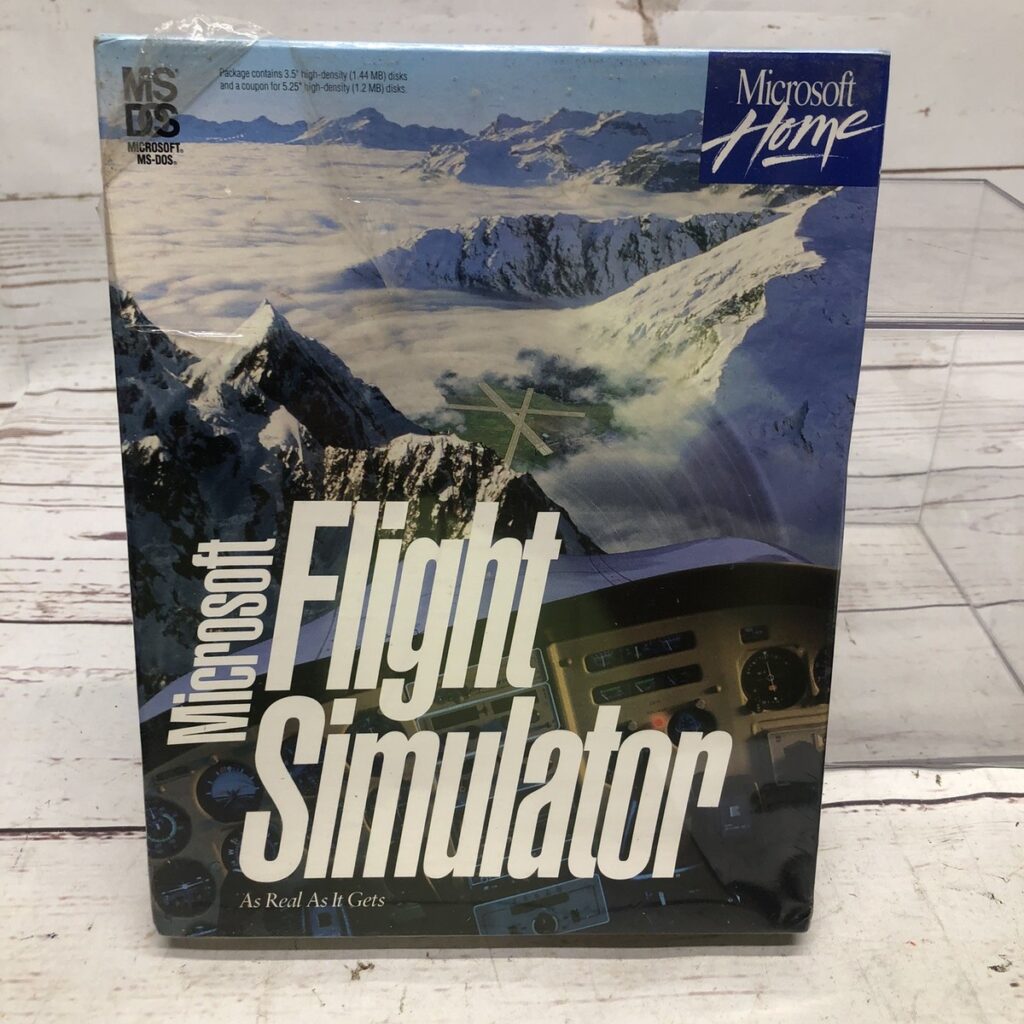
The History of Microsoft Flight Simulator. Between 1996 and 2005, Microsoft Flight Simulator embraced full 3D environments, richer aircraft systems, and a thriving community that defined a golden era of simulation. For many flight simulation enthusiasts, this era is where everything truly came together. The hardware was finally capable, the software had matured, and flight simulation found a balance between ambition and accessibility that’s still talked about today.

If earlier eras were about getting there, Era 4 was about arriving.

PCs come into their own

By the late 1990s and early 2000s, personal computers had taken a huge step forward.

Typical systems now featured:

  • Significantly faster processors
  • Dedicated graphics cards
  • Far more memory
  • Larger hard drives that actually felt roomy

Windows had become the norm, mice were universal, and monitors were clearer and larger than ever. You could finally run a flight simulator without feeling like you were asking too much of your machine — even if performance still required the occasional tweak.

The computer was no longer the bottleneck it once had been.

A big leap in realism

This was the era when realism became a genuine goal rather than a distant dream.

Aircraft gained:

  • Recognisable cockpits
  • More accurate instruments
  • Improved flight dynamics
  • A stronger sense of weight and momentum

The scenery improved dramatically, too. Airports felt like airports. Cities felt like cities. You could follow coastlines, recognise landmarks, and plan flights with a sense of place rather than imagination alone.

For the first time, the world felt connected.

Add-ons change everything

One of the defining features of Era 4 was the rise of third-party add-ons.

Suddenly, flight simulation wasn’t just what came in the box. Users could:

This opened the door to endless customisation. People began tailoring their simulators to suit their interests — airliners, GA flying, military aircraft, bush flying, or simply exploring the world.

Flight simulation became a hobby you could shape yourself.

Online communities take off

With the growth of the internet, something else happened: flight simmers found each other.

Forums, websites, and online groups became places to:

  • Share tips
  • Discuss realism
  • Exchange add-ons
  • Help troubleshoot problems

This sense of community added a whole new dimension. Flight simulation no longer felt like a solitary pursuit — it became something shared.

For many, this was when the hobby truly came alive.

Hardware gets serious

This era also saw an explosion in dedicated flight simulation hardware.

  • Better joysticks
  • Yokes and pedals
  • Throttle quadrants
  • Multiple monitors

People started building proper setups. Desks began to resemble cockpits. Flying felt more physical, more immersive, and more rewarding.

Once again, it was hard to go back.

Why is this era remembered so fondly

Era 4 hit a sweet spot.

The simulators were:

  • Complex enough to be interesting
  • Forgiving enough to enjoy
  • Powerful without being overwhelming

You could fly casually, or dive deep into procedures. You could explore, learn, or simply relax. It didn’t demand perfection — it invited curiosity.

For many simmers, this era represents hours of enjoyment, discovery, and quiet satisfaction.But change was coming

As successful as this period was, it also raised expectations. People wanted more realism, more detail, and more immersion. And delivering that would come at a cost.

The next era would bring ambition — but also growing pains.

Next Era

The History of Microsoft Flight Simulator Era 3 — The PC Takes Over (1989–1995)

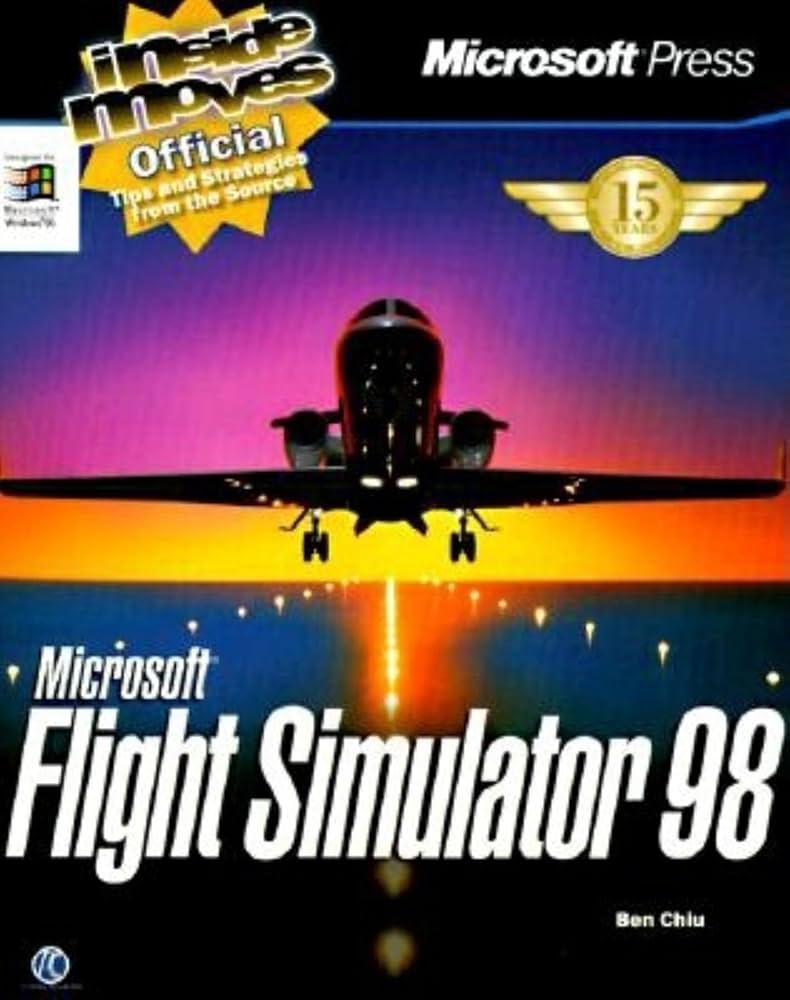
Microsoft Flight Simulator 98

The History of Microsoft Flight Simulator. From 1989 to 1995, Microsoft Flight Simulator entered a new era of colour graphics, sound, and expanding worlds that made virtual flying more immersive than ever. If the first two eras were about possibility and experimentation, Era 3 was about confidence. By the early 1990s, personal computers had reached a point where flight simulation could finally stretch out and breathe a little.

This was the era when the PC stopped feeling like it was barely coping and started to feel like it was meant to do this.

The hardware finally catches up

Computers were still slow by today’s standards, but compared to what came before, they felt positively powerful.

Typical systems now had:

  • megabytes of memory instead of kilobytes
  • VGA graphics with proper colour
  • hard drives as standard
  • faster processors that could actually keep up

Monitors were larger, sharper, and easier on the eyes. You could sit in front of a simulator for longer without feeling like you were staring into a flickering experiment.

Things still crashed. Things still stuttered. But for the first time, the experience felt stable enough to enjoy.

The simulator becomes recognisable

This is where flight simulation really began to look like… flight simulation.

Aircraft gained:

  • clearer instrument panels
  • more believable flight behaviour
  • a stronger sense of pitch, roll, and speed

The scenery improved too. Terrain wasn’t just abstract shapes anymore — it began to suggest landscapes, coastlines, and cities. You could tell where you were, at least in a general sense.

Navigation started to matter. Headings, headings bugs, and basic procedures became part of the experience. It wasn’t just about flying around — it was about flying somewhere.

The rise of peripherals

Era 3 also marked the time when hardware beyond the keyboard became part of the hobby.

Joysticks, yokes, and rudder pedals started appearing on desks. They weren’t perfect, and they certainly weren’t cheap, but they transformed the experience. Suddenly, control felt more natural, more physical.

Once you’d flown with a joystick, it was very hard to go back.

This was also the moment when flight simulation began to feel more serious — less like a curiosity, and more like a commitment.

Learning becomes part of the fun

By this point, flight simulation was no longer something you could just dabble in casually. To get the most out of it, you had to learn.

For many users, this was the appeal. The simulator didn’t rush you. It rewarded patience and curiosity. You weren’t chasing high scores — you were building understanding.

And quietly, almost without realising it, people were learning real aviation concepts along the way.

The imagination gap nearly disappears

Compared to the earlier eras, something subtle but important had changed.

You no longer had to work as hard to believe.

The illusion of flight held together for longer periods. The aircraft behaved in ways that felt logical. The world, while still abstract, felt coherent. You could lose yourself in a flight rather than constantly being reminded of the technology behind it.

This was a big deal.

A golden foundation is laid

By the mid-1990s, flight simulation had firmly established itself as one of the most demanding and rewarding things you could do with a home computer.

The audience was growing. Expectations were rising. And the idea that a simulator could be both educational and enjoyable was now widely accepted.

Everything was in place for the next leap forward — one that many still remember with a great deal of fondness.

Next Era

The History of Microsoft Flight Simulator Era 2 — Growing Ambitions (1984–1988)

Microsoft Flight Simulator 3 Cover

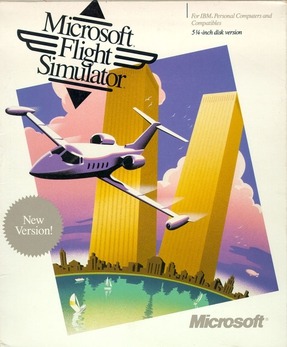
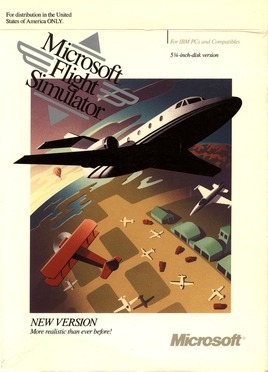
The History of Microsoft Flight Simulator. Between 1984 and 1988, Microsoft Flight Simulator evolved rapidly, improving realism, expanding features, and reaching a growing generation of home PC pilots. By the mid-1980s, something important had changed. Personal computers were still slow by today’s standards, but they were becoming more capable — and people were starting to expect more from them.

Flight simulation was no longer just a clever technical demonstration. It was beginning to feel like a proper hobby.

Computers were getting better… slowly

This era didn’t arrive with a sudden leap in technology. Instead, improvements came gradually — but noticeably.

Computers now had:

  • a little more memory
  • better colour graphics
  • improved sound (sometimes)
  • faster processors, though still painfully slow

Hard drives were starting to appear, but floppy disks were still very much part of daily life. Loading times were long, and crashes weren’t uncommon. The dreaded blue screen was never far away.

But when things worked, you could feel that progress was happening.

The simulator starts to take shape

During Era 2, flight simulation began to look and feel more intentional. The basic flying experience was still simple, but there was more structure now — more thought given to how the simulator behaved and what it tried to represent.

You could see:

  • clearer instruments
  • improved horizon and terrain rendering
  • a growing sense of space

It still wasn’t realistic in the modern sense, but it was becoming more believable. The simulator wasn’t just showing movement anymore — it was starting to suggest a world.

A growing audience

Something else changed during this time: who was using flight simulators.

More people were discovering them — not just programmers or tech enthusiasts, but everyday computer owners. Some were drawn in by aviation, others by curiosity, and some simply by the idea that their computer could do something so unusual.

For many users, this was their first taste of “serious” simulation. It wasn’t a game you could master in five minutes. It demanded patience, experimentation, and a willingness to learn.

And that was part of the appeal.

Still limited — but confidence was growing

Let’s be clear: Era 2 simulators were still full of limitations.

  • Frame rates could be painfully low
  • Controls felt stiff
  • Visual detail was minimal
  • Navigation was basic at best

But compared to Era 1, there was a growing confidence. The simulator felt less like an experiment and more like a platform that could be built upon.

You could sense that this wasn’t the end of the road — it was the beginning of something bigger.

The imagination gap narrows

One of the most interesting shifts in Era 2 was how much less imagination you needed to “fill in the gaps”.

The simulator still relied on the user’s imagination, but it was starting to do more of the work itself. The illusion of flight held together for longer. You could settle into a session and forget, just briefly, about the limitations of the hardware.

That feeling — when the technology fades into the background — is something flight simulation has always chased. And in Era 2, it was becoming achievable for moments at a time.

Setting the stage for what came next

By the end of the 1980s, flight simulation had found its footing. It had survived its experimental phase and proven there was a genuine audience willing to invest time and effort into the experience.

The groundwork was laid:

  • Better computers were on the way
  • Expectations were rising, and the idea of realism was beginning to take hold

The next era would take full advantage of this momentum, as personal computers became more powerful and flight simulation began to resemble something much closer to what we recognise today.

Next Era

Microsoft Flight Simulator History

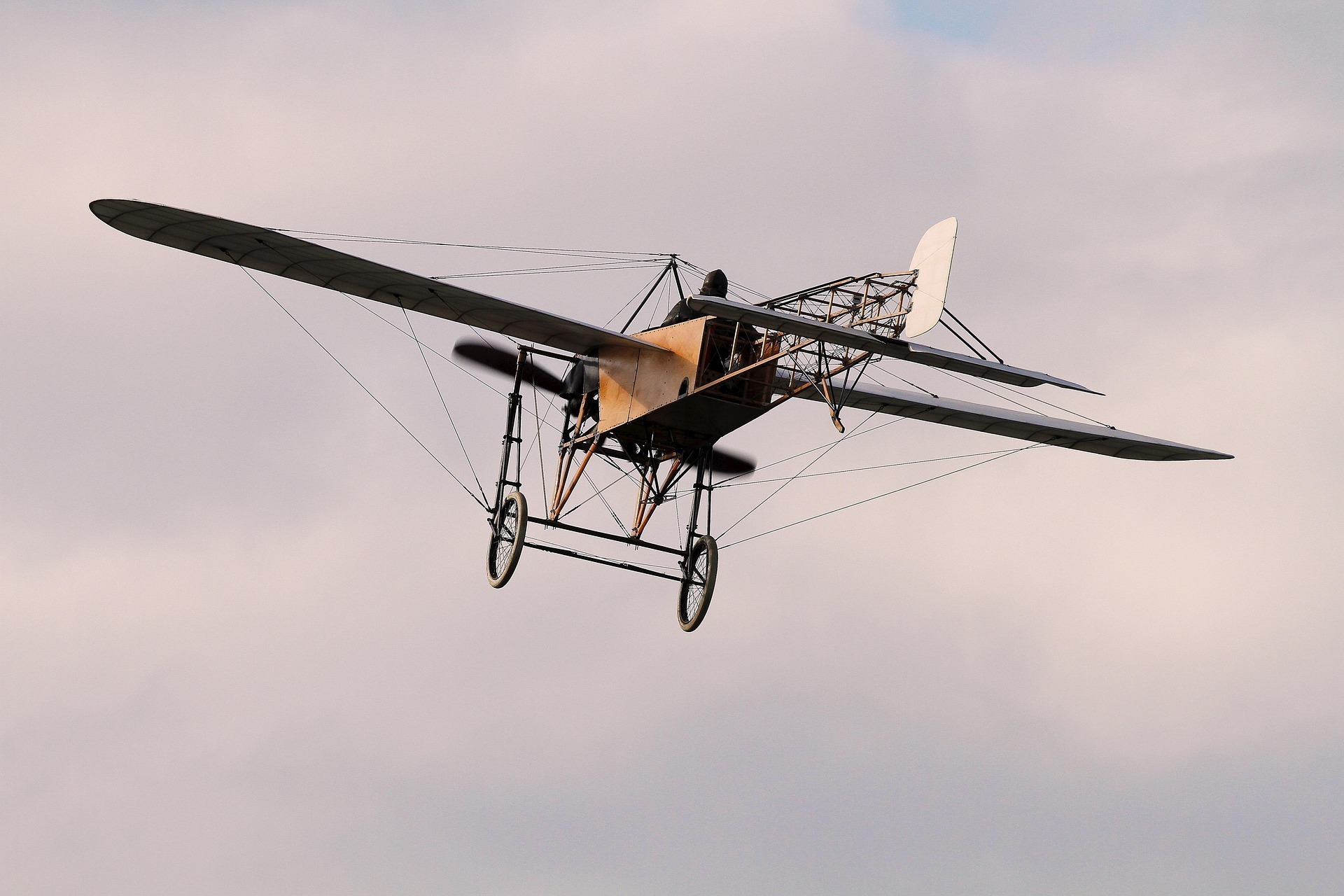
Vintage aircraft flying in the sky

Explore the complete history of Microsoft Flight Simulator, from the earliest Sublogic origins to the modern MSFS 2024 era. Tracing the evolution of virtual flight. Flight simulation has been quietly evolving for nearly half a century. Long before satellite imagery, cloud streaming, or detailed global scenery. There were simple horizons, slow computers, and a lot of imagination.

This series looks back at the history of Microsoft Flight Simulator. Not as a technical deep dive, but as a story. One shaped by changing technology, growing ambition, and a community that never quite let the idea of virtual flight fade away.

From the earliest days of personal computing, flight simulation has reflected what computers were capable of at the time. In some eras, it raced ahead; in others, it struggled to keep up. There were moments of excitement, long periods of uncertainty, and eventually, a remarkable return to the spotlight.

Rather than treating this as one long, overwhelming article, the history is divided into six distinct eras. Each era represents a period where technology, expectations, and the experience of flying changed in meaningful ways.

This isn’t about versions and feature lists alone. It’s about what it felt like to fly at the time. The patience required, the excitement of progress. The frustrations and the quiet satisfaction of simply being airborne, when the technology was far from perfect.

Whether you’ve been flying in simulators since the early days or you’ve only recently discovered the hobby. These eras tell a story that many will recognise in different ways.

The best way to read this history is in order, starting at the beginning.

The Eras

Era 1 — The Beginning (1977–1983)
It all started when flight simulation was little more than an idea brought to life on extremely limited hardware.

Era 2 — Growing Ambitions (1984–1988)
Gradual improvements in technology allowed flight simulation to become more intentional and more widely accessible.

Era 3 — The PC Takes Over (1989–1995)
Personal computers finally reached a point where flight simulation could feel stable, recognisable, and deeply engaging.

Era 4 — The Golden Years (1996–2005)
A period many remember fondly, marked by balance, community growth, and a surge in realism and add-ons.

Era 5 — Transition and Uncertainty (2006–2019)
A challenging time where ambition outpaced technology, but the community kept the hobby alive.

Era 6 — A New Beginning (2020–Present)
The modern era saw flight simulation return in a bold new form and reach a wider audience than ever before.

If flight simulation has ever sparked your curiosity or challenged your patience. Or given you a sense of freedom at your desk, you’ll likely find something familiar in these pages.

This is the story of how we got here — and why it still matters.

Begin the journey →