
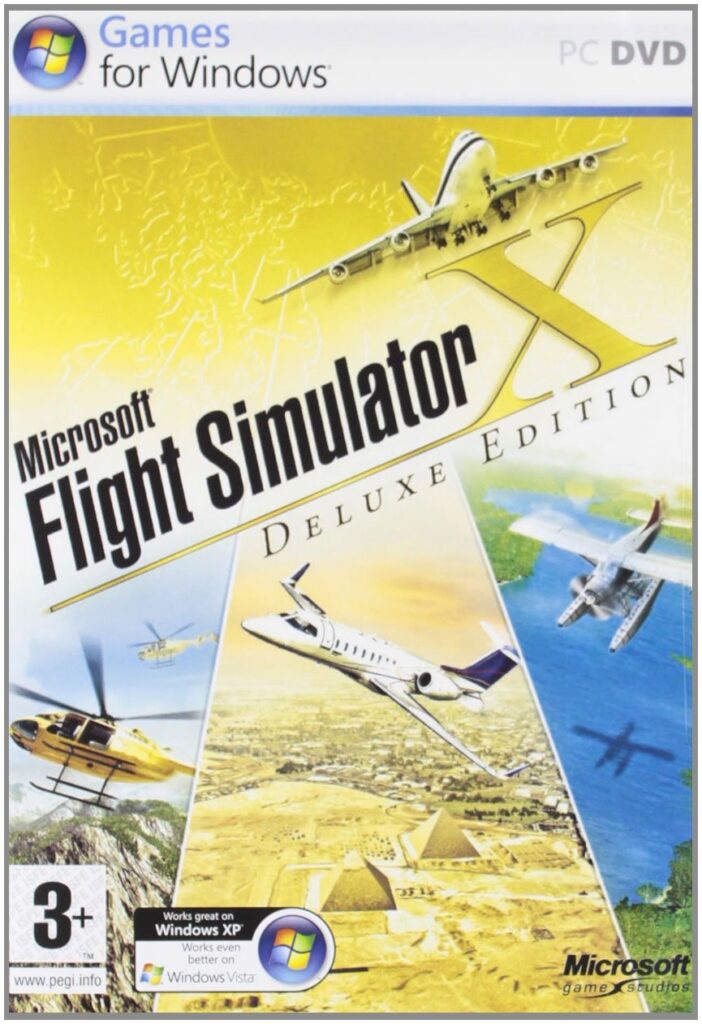
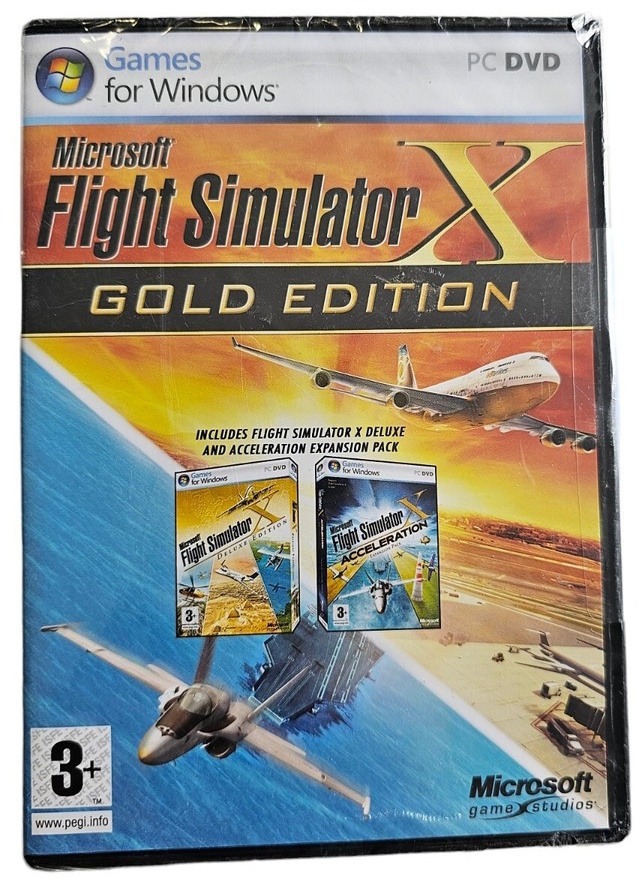
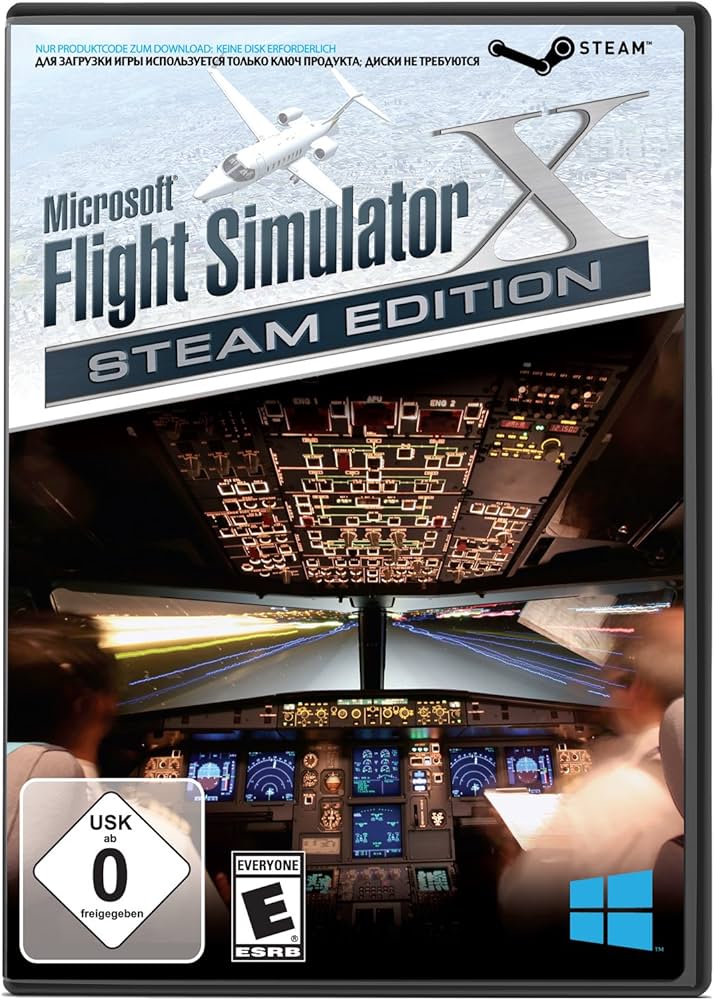
The History of Microsoft Flight Simulator. From 2006 to 2019, Microsoft Flight Simulator faced uncertainty after FSX, yet a dedicated global community ensured the spirit of virtual flight never disappeared. Era 5 is often remembered as an awkward, uneven period in the history of flight simulation — not because it lacked potential, but because it sat between two worlds.
The ambition was there. The technology was advancing rapidly. But something fundamental had shifted, and for a long time it wasn’t clear where flight simulation was headed.
Technology races ahead
By the mid-2000s, computer hardware was improving at a remarkable pace.
Systems now featured:
- Multi-core processors
- Powerful graphics cards
- Vastly increased memory
- High-resolution widescreen monitors
On paper, this should have been a golden age. The raw computing power available to home users was unprecedented.
But flight simulators, built on older foundations, struggled to take full advantage of it.
A simulator under strain
This era exposed a growing tension between legacy design and modern hardware.
The simulator still carried:
- Older architecture
- Performance limitations
- Heavy reliance on single-core processing
Users found themselves with powerful machines that still struggled under the weight of complex scenery and add-ons. Tweaking settings became part of the experience — sometimes more than flying itself.
It could be rewarding, but also frustrating.
Add-ons grow more complex
Third-party developers continued to push boundaries.
- incredibly detailed
- system-rich
- closer to study-level simulations
Scenery reached new levels of realism. Weather engines became more sophisticated. The simulator could look stunning — but only if everything was carefully balanced.
For some, this depth was the ultimate reward. For others, it felt like the hobby was becoming harder to access.
A divided experience
During Era 5, flight simulation began to split into different paths.
Some users embraced:
- complexity
- realism
- procedural accuracy
Others missed:
- simplicity
- smooth performance
- easy immersion
The hobby was still alive and active, but it no longer felt unified. Different platforms emerged, each with their own strengths and weaknesses, and users often had to choose what mattered most to them.
The quiet years
Perhaps the defining feature of this era was uncertainty.
There were moments of excitement, but also long stretches of quiet. Development felt slow. Official communication was limited. Many wondered whether flight simulation would ever truly evolve beyond its existing framework.
And yet, the community endured.
Dedicated simmers kept flying. Developers kept building. Knowledge was shared, refined, and preserved. The passion never disappeared — it simply waited.
A foundation held together by loyalty
What kept flight simulation alive during Era 5 wasn’t flashy innovation — it was commitment.
- long-time users stayed invested
- communities continued to support one another
- the love of flying never faded
In hindsight, this era was less about progress and more about holding the line.
And sometimes, that’s just as important.
On the edge of something new
By the end of the 2010s, it was clear that something had to change. Expectations had outgrown the technology. The audience was ready for a fresh start — something that could bring flight simulation into a new age.
Few could have predicted just how dramatic that change would be.