
The History of Microsoft Flight Simulator. Between 1996 and 2005, Microsoft Flight Simulator embraced full 3D environments, richer aircraft systems, and a thriving community that defined a golden era of simulation. For many flight simulation enthusiasts, this era is where everything truly came together. The hardware was finally capable, the software had matured, and flight simulation found a balance between ambition and accessibility that’s still talked about today.
If earlier eras were about getting there, Era 4 was about arriving.
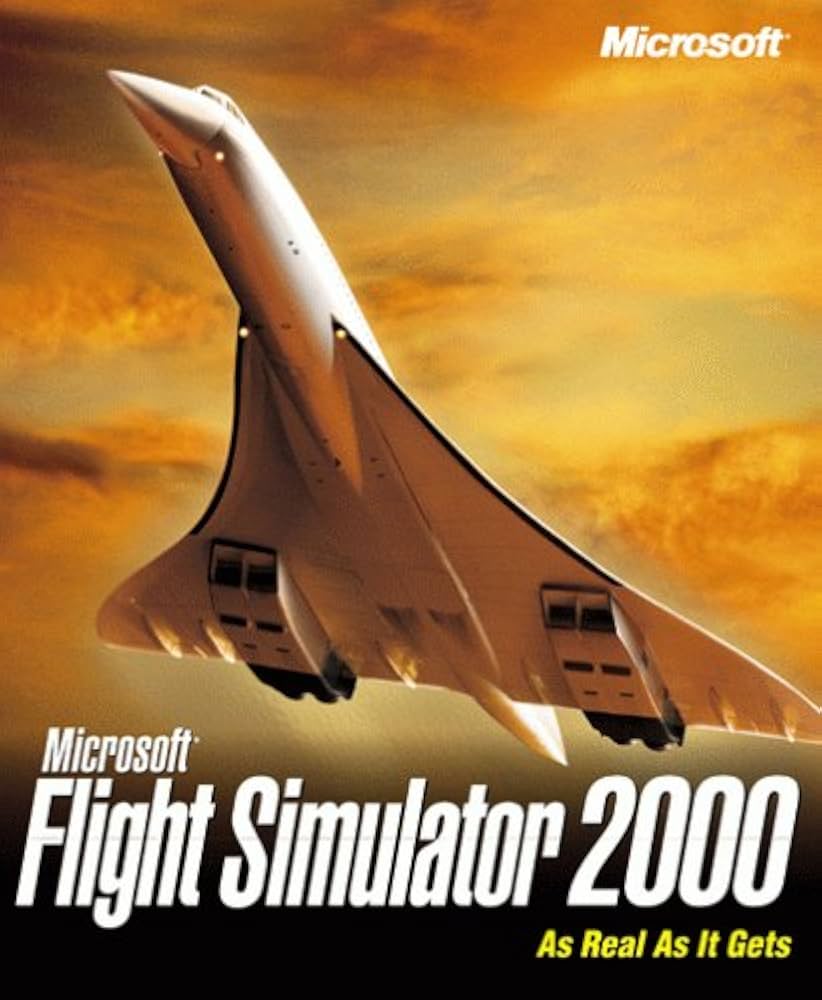
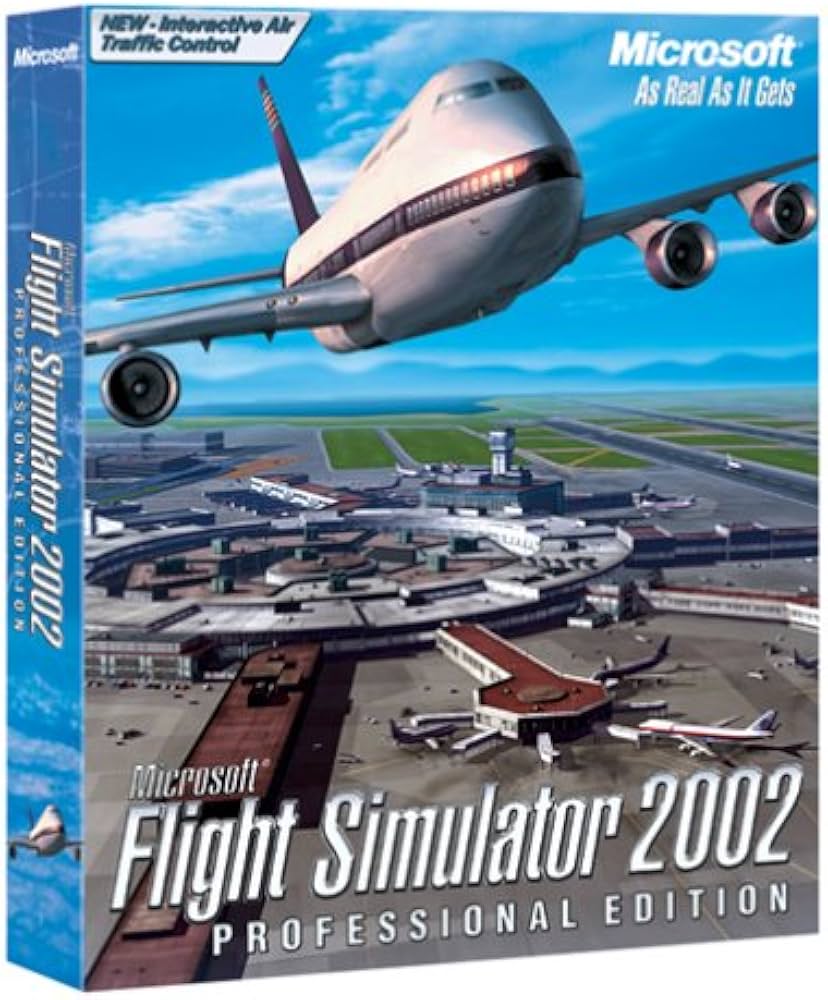
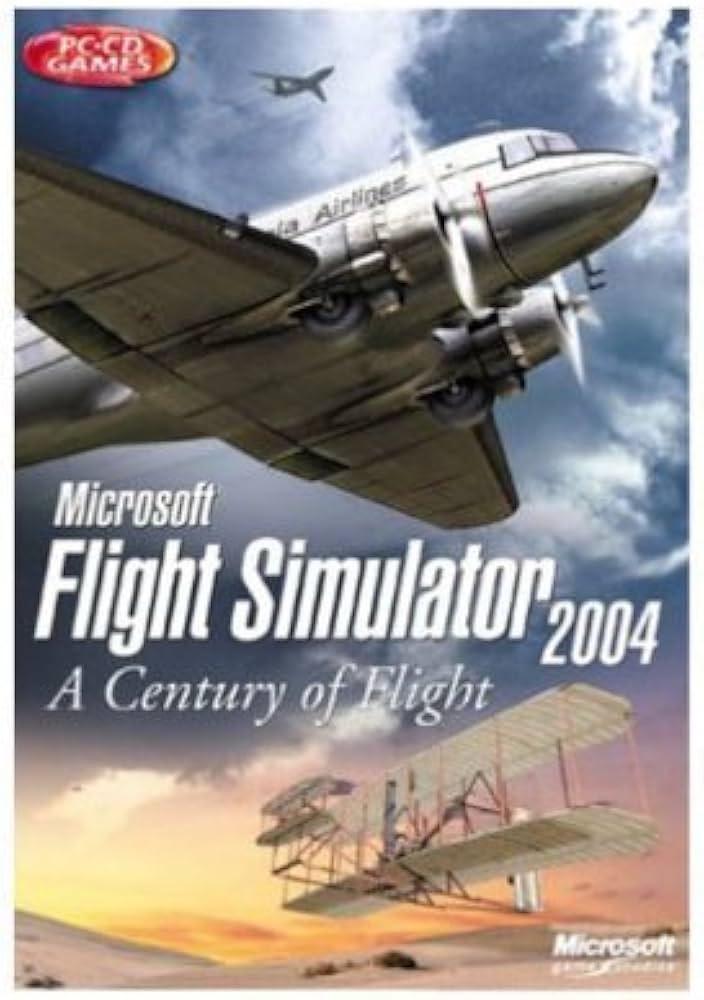
PCs come into their own
By the late 1990s and early 2000s, personal computers had taken a huge step forward.
Typical systems now featured:
- Significantly faster processors
- Dedicated graphics cards
- Far more memory
- Larger hard drives that actually felt roomy
Windows had become the norm, mice were universal, and monitors were clearer and larger than ever. You could finally run a flight simulator without feeling like you were asking too much of your machine — even if performance still required the occasional tweak.
The computer was no longer the bottleneck it once had been.
A big leap in realism
This was the era when realism became a genuine goal rather than a distant dream.
Aircraft gained:
- Recognisable cockpits
- More accurate instruments
- Improved flight dynamics
- A stronger sense of weight and momentum
The scenery improved dramatically, too. Airports felt like airports. Cities felt like cities. You could follow coastlines, recognise landmarks, and plan flights with a sense of place rather than imagination alone.
For the first time, the world felt connected.
Add-ons change everything
One of the defining features of Era 4 was the rise of third-party add-ons.
Suddenly, flight simulation wasn’t just what came in the box. Users could:
- Install new aircraft
- Add detailed airports
- Improve weather
- Enhance scenery
This opened the door to endless customisation. People began tailoring their simulators to suit their interests — airliners, GA flying, military aircraft, bush flying, or simply exploring the world.
Flight simulation became a hobby you could shape yourself.
Online communities take off
With the growth of the internet, something else happened: flight simmers found each other.
Forums, websites, and online groups became places to:
- Share tips
- Discuss realism
- Exchange add-ons
- Help troubleshoot problems
This sense of community added a whole new dimension. Flight simulation no longer felt like a solitary pursuit — it became something shared.
For many, this was when the hobby truly came alive.
Hardware gets serious
This era also saw an explosion in dedicated flight simulation hardware.
- Better joysticks
- Yokes and pedals
- Throttle quadrants
- Multiple monitors
People started building proper setups. Desks began to resemble cockpits. Flying felt more physical, more immersive, and more rewarding.
Once again, it was hard to go back.
Why is this era remembered so fondly
Era 4 hit a sweet spot.
The simulators were:
- Complex enough to be interesting
- Forgiving enough to enjoy
- Powerful without being overwhelming
You could fly casually, or dive deep into procedures. You could explore, learn, or simply relax. It didn’t demand perfection — it invited curiosity.
For many simmers, this era represents hours of enjoyment, discovery, and quiet satisfaction.But change was coming
As successful as this period was, it also raised expectations. People wanted more realism, more detail, and more immersion. And delivering that would come at a cost.
The next era would bring ambition — but also growing pains.