
This Microsoft Flight Simulator beginners guide provides one of the most immersive aviation experiences available on a home computer. In this section, we explore the concept in detail so that new pilots understand both the practical and theoretical sides of the simulator. Learning flight simulation is very similar to learning real flying fundamentals: you start with the basics, practice regularly, and gradually build confidence.
For beginners, it is important to remember that flight simulation is not about memorising hundreds of procedures immediately. Instead, it is about understanding a few core principles and repeating them until they become natural. These principles include maintaining stable aircraft control, understanding airspeed and altitude, and developing the habit of scanning the cockpit instruments while also observing the outside environment.
- Maintain stable pitch control
- Monitor airspeed carefully
- Use smooth throttle adjustments
- Keep the aircraft aligned with the horizon
- Practice small, gentle control inputs
One of the advantages of Microsoft Flight Simulator is that you can repeat flights as often as you like. If a landing does not go well, simply start another flight and try again. Over time, small improvements add up, and the simulator begins to feel far more natural.

Understanding the Simulator Environment
Microsoft Flight Simulator 2024 provides one of the most immersive aviation experiences available on a home computer. In this section, we explore the concept in detail so that new pilots understand both the practical and theoretical sides of the simulator. Learning flight simulation is very similar to learning real flying fundamentals: you start with the basics, practice regularly, and gradually build confidence.
For beginners, it is important to remember that flight simulation is not about memorising hundreds of procedures immediately. Instead, it is about understanding a few core principles and repeating them until they become natural. These principles include maintaining stable aircraft control, understanding airspeed and altitude, and developing the habit of scanning the cockpit instruments while also observing the outside environment.
- Maintain stable pitch control
- Monitor airspeed carefully
- Use smooth throttle adjustments
- Keep the aircraft aligned with the horizon
- Practice small, gentle control inputs
One of the advantages of Microsoft Flight Simulator is that you can repeat flights as often as you like. If a landing does not go well, simply start another flight and try again. Over time, small improvements add up, and the simulator begins to feel far more natural.
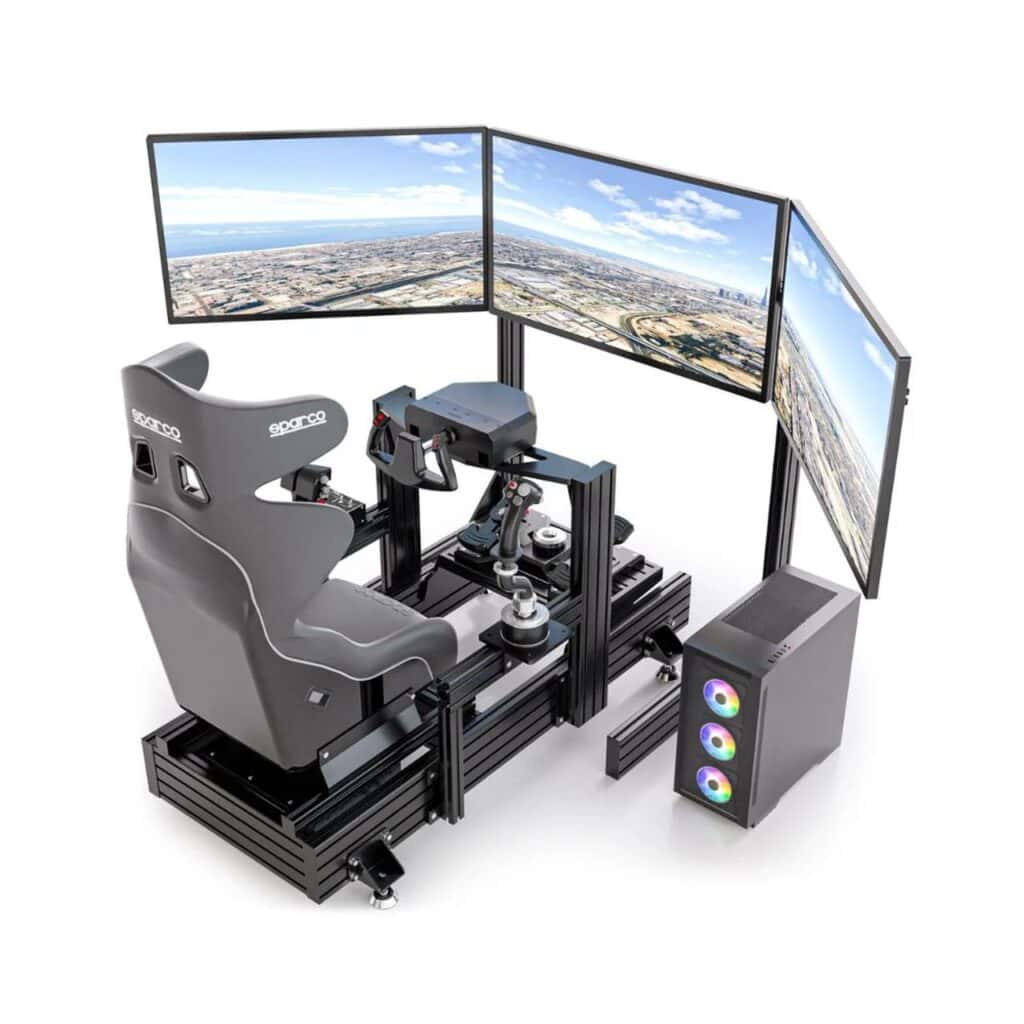
Installing and Launching Microsoft Flight Simulator
Microsoft Flight Simulator 2024 provides one of the most immersive aviation experiences available on a home computer. In this section, we explore the concept in detail so that new pilots understand both the practical and theoretical sides of the simulator. Learning flight simulation is very similar to learning real flying fundamentals: you start with the basics, practice regularly, and gradually build confidence.
For beginners, it is important to remember that flight simulation is not about memorising hundreds of procedures immediately. Instead, it is about understanding a few core principles and repeating them until they become natural. These principles include maintaining stable aircraft control, understanding airspeed and altitude, and developing the habit of scanning the cockpit instruments while also observing the outside environment.
- Maintain stable pitch control
- Monitor airspeed carefully
- Use smooth throttle adjustments
- Keep the aircraft aligned with the horizon
- Practice small, gentle control inputs
One of the advantages of Microsoft Flight Simulator is that you can repeat flights as often as you like. If a landing does not go well, simply start another flight and try again. Over time, small improvements add up, and the simulator begins to feel far more natural.
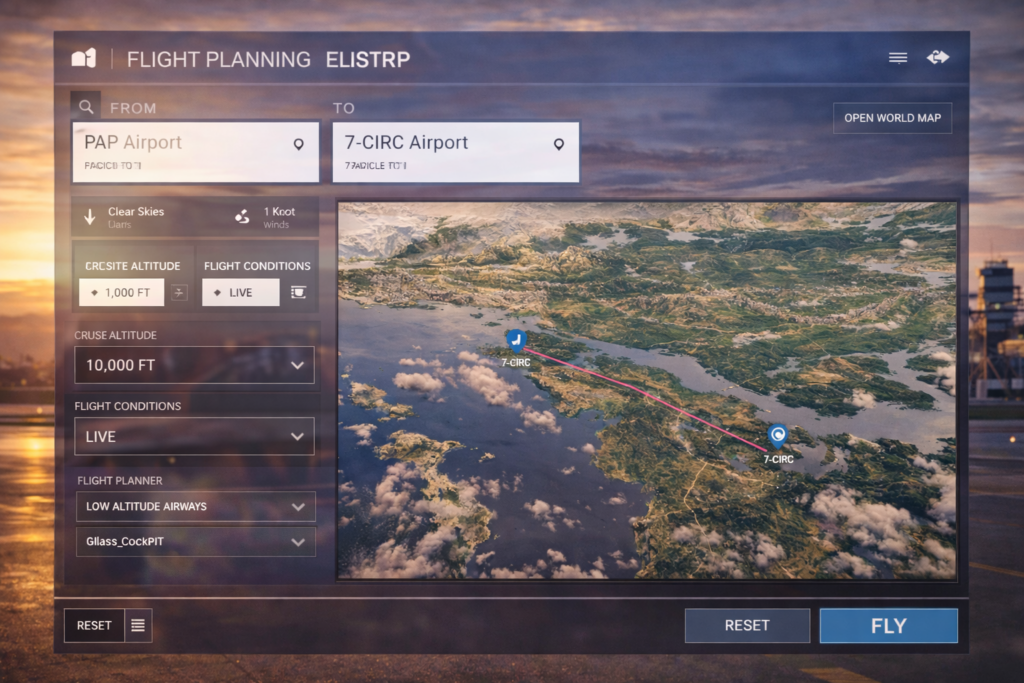
Exploring the Main Menu Interface
Microsoft Flight Simulator 2024 provides one of the most immersive aviation experiences available on a home computer. In this section, we explore the concept in detail so that new pilots understand both the practical and theoretical sides of the simulator. Learning flight simulation is very similar to learning real flying fundamentals: you start with the basics, practice regularly, and gradually build confidence.
For beginners, it is important to remember that flight simulation is not about memorising hundreds of procedures immediately. Instead, it is about understanding a few core principles and repeating them until they become natural. These principles include maintaining stable aircraft control, understanding airspeed and altitude, and developing the habit of scanning the cockpit instruments while also observing the outside environment.
- Maintain stable pitch control
- Monitor airspeed carefully
- Use smooth throttle adjustments
- Keep the aircraft aligned with the horizon
- Practice small, gentle control inputs
One of the advantages of Microsoft Flight Simulator is that you can repeat flights as often as you like. If a landing does not go well, simply start another flight and try again. Over time, small improvements add up, and the simulator begins to feel far more natural.
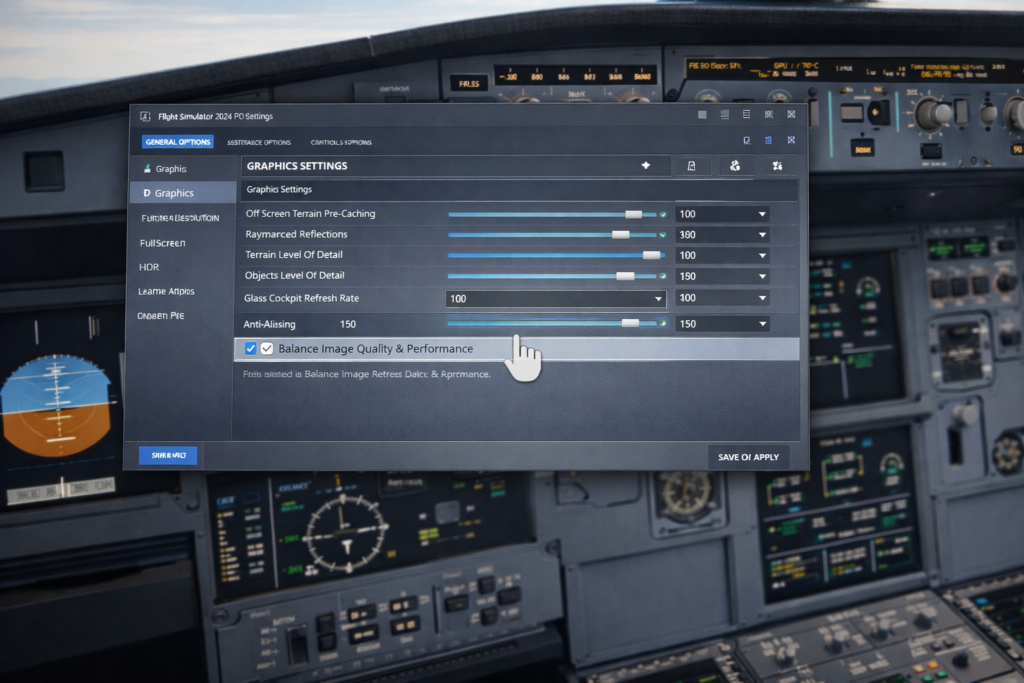
Planning Flights Using the World Map
Microsoft Flight Simulator 2024 provides one of the most immersive aviation experiences available on a home computer. In this section, we explore the concept in detail so that new pilots understand both the practical and theoretical sides of the simulator. Learning flight simulation is very similar to learning real flying fundamentals: you start with the basics, practice regularly, and gradually build confidence.
For beginners, it is important to remember that flight simulation is not about memorising hundreds of procedures immediately. Instead, it is about understanding a few core principles and repeating them until they become natural. These principles include maintaining stable aircraft control, understanding airspeed and altitude, and developing the habit of scanning the cockpit instruments while also observing the outside environment.
- Maintain stable pitch control
- Monitor airspeed carefully
- Use smooth throttle adjustments
- Keep the aircraft aligned with the horizon
- Practice small, gentle control inputs
One of the advantages of Microsoft Flight Simulator is that you can repeat flights as often as you like. If a landing does not go well, simply start another flight and try again. Over time, small improvements add up, and the simulator begins to feel far more natural.
IMAGE
(Example screenshot showing Planning Flights Using the World Map in the simulator)
Choosing Your First Aircraft
Microsoft Flight Simulator 2024 provides one of the most immersive aviation experiences available on a home computer. In this section, we explore the concept in detail so that new pilots understand both the practical and theoretical sides of the simulator. Learning flight simulation is very similar to learning real flying fundamentals: you start with the basics, practice regularly, and gradually build confidence.
For beginners, it is important to remember that flight simulation is not about memorising hundreds of procedures immediately. Instead, it is about understanding a few core principles and repeating them until they become natural. These principles include maintaining stable aircraft control, understanding airspeed and altitude, and developing the habit of scanning the cockpit instruments while also observing the outside environment.
- Maintain stable pitch control
- Monitor airspeed carefully
- Use smooth throttle adjustments
- Keep the aircraft aligned with the horizon
- Practice small, gentle control inputs
One of the advantages of Microsoft Flight Simulator is that you can repeat flights as often as you like. If a landing does not go well, simply start another flight and try again. Over time, small improvements add up, and the simulator begins to feel far more natural.
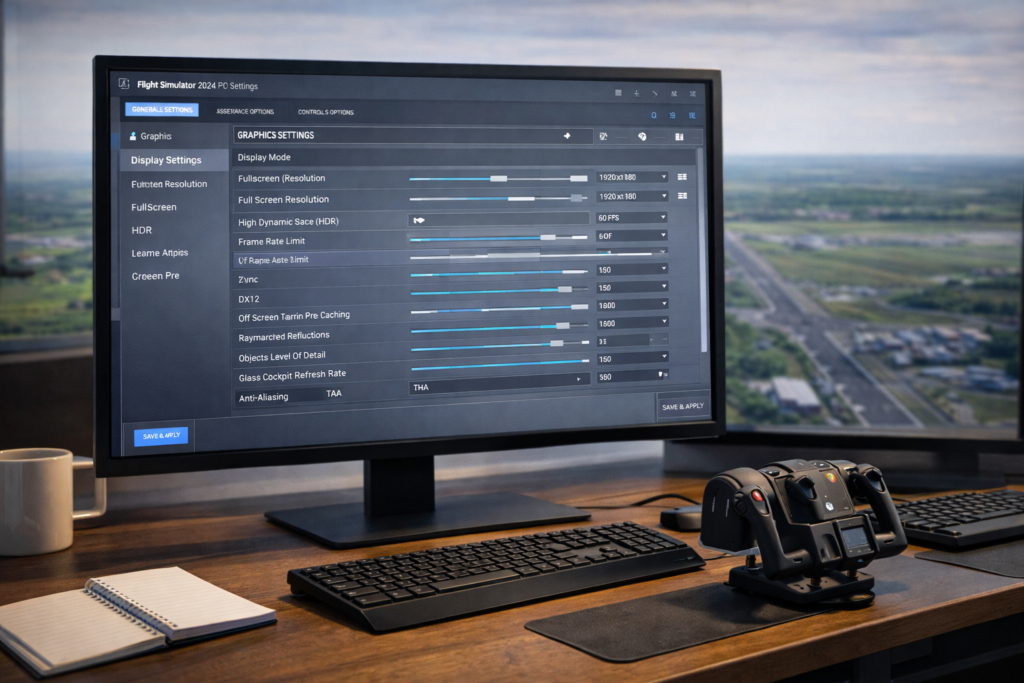
Setting Up Flight Controls
Microsoft Flight Simulator 2024 provides one of the most immersive aviation experiences available on a home computer. In this section, we explore the concept in detail so that new pilots understand both the practical and theoretical sides of the simulator. Learning flight simulation is very similar to learning real flying fundamentals: you start with the basics, practice regularly, and gradually build confidence.
For beginners, it is important to remember that flight simulation is not about memorising hundreds of procedures immediately. Instead, it is about understanding a few core principles and repeating them until they become natural. These principles include maintaining stable aircraft control, understanding airspeed and altitude, and developing the habit of scanning the cockpit instruments while also observing the outside environment.
- Maintain stable pitch control
- Monitor airspeed carefully
- Use smooth throttle adjustments
- Keep the aircraft aligned with the horizon
- Practice small, gentle control inputs
One of the advantages of Microsoft Flight Simulator is that you can repeat flights as often as you like. If a landing does not go well, simply start another flight and try again. Over time, small improvements add up, and the simulator begins to feel far more natural.
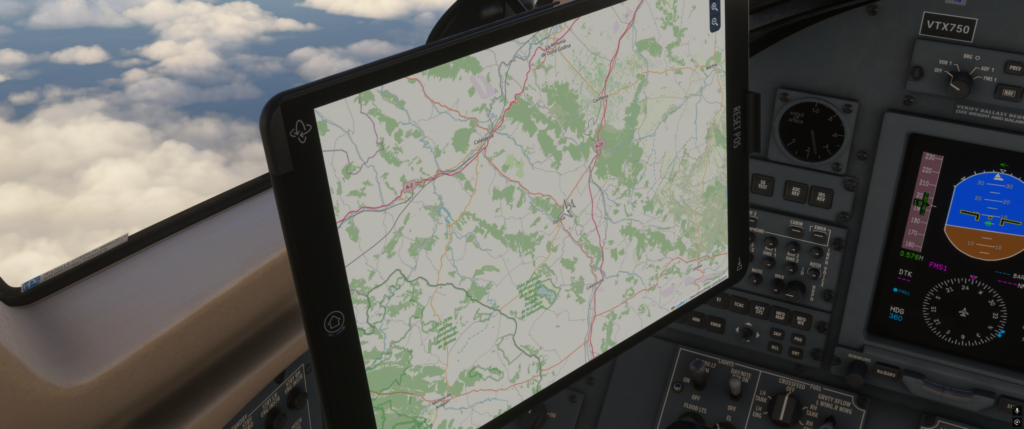
Understanding Pitch, Roll, and Yaw
Microsoft Flight Simulator 2024 provides one of the most immersive aviation experiences available on a home computer. In this section, we explore the concept in detail so that new pilots understand both the practical and theoretical sides of the simulator. Learning flight simulation is very similar to learning real flying fundamentals: you start with the basics, practice regularly, and gradually build confidence.
For beginners, it is important to remember that flight simulation is not about memorising hundreds of procedures immediately. Instead, it is about understanding a few core principles and repeating them until they become natural. These principles include maintaining stable aircraft control, understanding airspeed and altitude, and developing the habit of scanning the cockpit instruments while also observing the outside environment.
- Maintain stable pitch control
- Monitor airspeed carefully
- Use smooth throttle adjustments
- Keep the aircraft aligned with the horizon
- Practice small, gentle control inputs
One of the advantages of Microsoft Flight Simulator is that you can repeat flights as often as you like. If a landing does not go well, simply start another flight and try again. Over time, small improvements add up, and the simulator begins to feel far more natural.
Learning the Basic Cockpit Instruments
Microsoft Flight Simulator 2024 provides one of the most immersive aviation experiences available on a home computer. In this section, we explore the concept in detail so that new pilots understand both the practical and theoretical sides of the simulator. Learning flight simulation is very similar to learning real flying fundamentals: you start with the basics, practice regularly, and gradually build confidence.
For beginners, it is important to remember that flight simulation is not about memorising hundreds of procedures immediately. Instead, it is about understanding a few core principles and repeating them until they become natural. These principles include maintaining stable aircraft control, understanding airspeed and altitude, and developing the habit of scanning the cockpit instruments while also observing the outside environment.
- Maintain stable pitch control
- Monitor airspeed carefully
- Use smooth throttle adjustments
- Keep the aircraft aligned with the horizon
- Practice small, gentle control inputs
One of the advantages of Microsoft Flight Simulator is that you can repeat flights as often as you like. If a landing does not go well, simply start another flight and try again. Over time, small improvements add up, and the simulator begins to feel far more natural.
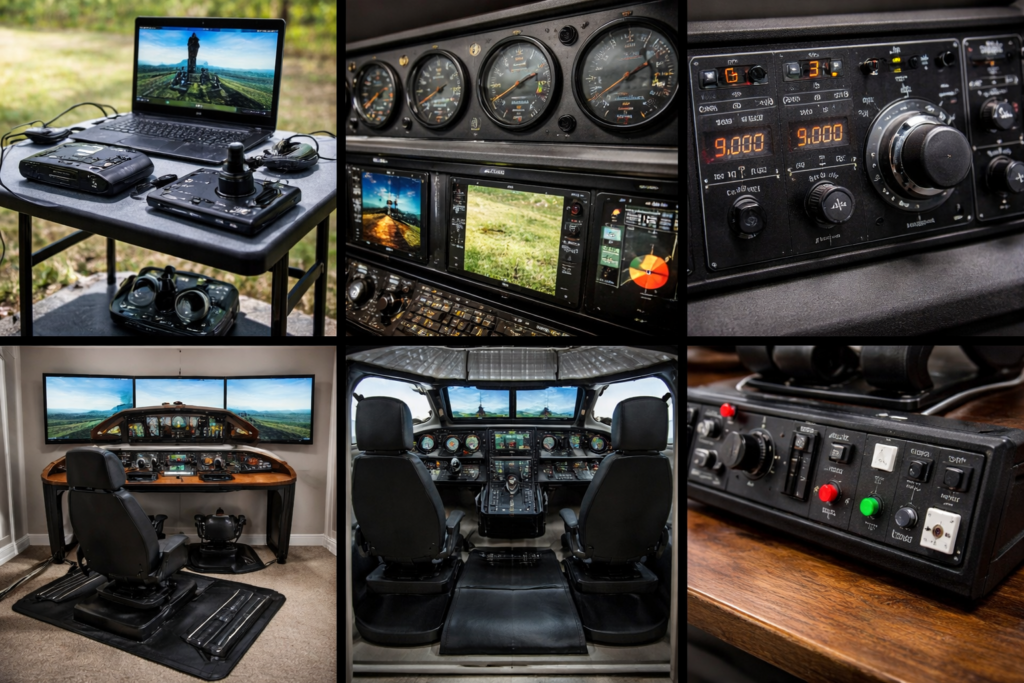
Managing Airspeed and Altitude
Microsoft Flight Simulator 2024 provides one of the most immersive aviation experiences available on a home computer. In this section, we explore the concept in detail so that new pilots understand both the practical and theoretical sides of the simulator. Learning flight simulation is very similar to learning real flying fundamentals: you start with the basics, practice regularly, and gradually build confidence.
For beginners, it is important to remember that flight simulation is not about memorising hundreds of procedures immediately. Instead, it is about understanding a few core principles and repeating them until they become natural. These principles include maintaining stable aircraft control, understanding airspeed and altitude, and developing the habit of scanning the cockpit instruments while also observing the outside environment.
- Maintain stable pitch control
- Monitor airspeed carefully
- Use smooth throttle adjustments
- Keep the aircraft aligned with the horizon
- Practice small, gentle control inputs
One of the advantages of Microsoft Flight Simulator is that you can repeat flights as often as you like. If a landing does not go well, simply start another flight and try again. Over time, small improvements add up, and the simulator begins to feel far more natural.
Performing Your First Takeoff
Microsoft Flight Simulator 2024 provides one of the most immersive aviation experiences available on a home computer. In this section, we explore the concept in detail so that new pilots understand both the practical and theoretical sides of the simulator. Learning flight simulation is very similar to learning real flying fundamentals: you start with the basics, practice regularly, and gradually build confidence.
For beginners, it is important to remember that flight simulation is not about memorising hundreds of procedures immediately. Instead, it is about understanding a few core principles and repeating them until they become natural. These principles include maintaining stable aircraft control, understanding airspeed and altitude, and developing the habit of scanning the cockpit instruments while also observing the outside environment.
- Maintain stable pitch control
- Monitor airspeed carefully
- Use smooth throttle adjustments
- Keep the aircraft aligned with the horizon
- Practice small, gentle control inputs
One of the advantages of Microsoft Flight Simulator is that you can repeat flights as often as you like. If a landing does not go well, simply start another flight and try again. Over time, small improvements add up, and the simulator begins to feel far more natural.

Practicing Straight and Level Flight
Microsoft Flight Simulator 2024 provides one of the most immersive aviation experiences available on a home computer. In this section, we explore the concept in detail so that new pilots understand both the practical and theoretical sides of the simulator. Learning flight simulation is very similar to learning real flying fundamentals: you start with the basics, practice regularly, and gradually build confidence.
For beginners, it is important to remember that flight simulation is not about memorising hundreds of procedures immediately. Instead, it is about understanding a few core principles and repeating them until they become natural. These principles include maintaining stable aircraft control, understanding airspeed and altitude, and developing the habit of scanning the cockpit instruments while also observing the outside environment.
- Maintain stable pitch control
- Monitor airspeed carefully
- Use smooth throttle adjustments
- Keep the aircraft aligned with the horizon
- Practice small, gentle control inputs
One of the advantages of Microsoft Flight Simulator is that you can repeat flights as often as you like. If a landing does not go well, simply start another flight and try again. Over time, small improvements add up, and the simulator begins to feel far more natural.
Learning Basic Turns
Microsoft Flight Simulator 2024 provides one of the most immersive aviation experiences available on a home computer. In this section, we explore the concept in detail so that new pilots understand both the practical and theoretical sides of the simulator. Learning flight simulation is very similar to learning real flying fundamentals: you start with the basics, practice regularly, and gradually build confidence.
For beginners, it is important to remember that flight simulation is not about memorising hundreds of procedures immediately. Instead, it is about understanding a few core principles and repeating them until they become natural. These principles include maintaining stable aircraft control, understanding airspeed and altitude, and developing the habit of scanning the cockpit instruments while also observing the outside environment.
- Maintain stable pitch control
- Monitor airspeed carefully
- Use smooth throttle adjustments
- Keep the aircraft aligned with the horizon
- Practice small, gentle control inputs
One of the advantages of Microsoft Flight Simulator is that you can repeat flights as often as you like. If a landing does not go well, simply start another flight and try again. Over time, small improvements add up, and the simulator begins to feel far more natural.
Understanding Aircraft Trim
Microsoft Flight Simulator 2024 provides one of the most immersive aviation experiences available on a home computer. In this section, we explore the concept in detail so that new pilots understand both the practical and theoretical sides of the simulator. Learning flight simulation is very similar to learning real flying fundamentals: you start with the basics, practice regularly, and gradually build confidence.
For beginners, it is important to remember that flight simulation is not about memorising hundreds of procedures immediately. Instead, it is about understanding a few core principles and repeating them until they become natural. These principles include maintaining stable aircraft control, understanding airspeed and altitude, and developing the habit of scanning the cockpit instruments while also observing the outside environment.
- Maintain stable pitch control
- Monitor airspeed carefully
- Use smooth throttle adjustments
- Keep the aircraft aligned with the horizon
- Practice small, gentle control inputs
One of the advantages of Microsoft Flight Simulator is that you can repeat flights as often as you like. If a landing does not go well, simply start another flight and try again. Over time, small improvements add up, and the simulator begins to feel far more natural.
Navigation for Beginner Pilots
Microsoft Flight Simulator 2024 provides one of the most immersive aviation experiences available on a home computer. In this section, we explore the concept in detail so that new pilots understand both the practical and theoretical sides of the simulator. Learning flight simulation is very similar to learning real flying fundamentals: you start with the basics, practice regularly, and gradually build confidence.
For beginners, it is important to remember that flight simulation is not about memorising hundreds of procedures immediately. Instead, it is about understanding a few core principles and repeating them until they become natural. These principles include maintaining stable aircraft control, understanding airspeed and altitude, and developing the habit of scanning the cockpit instruments while also observing the outside environment.
- Maintain stable pitch control
- Monitor airspeed carefully
- Use smooth throttle adjustments
- Keep the aircraft aligned with the horizon
- Practice small, gentle control inputs
One of the advantages of Microsoft Flight Simulator is that you can repeat flights as often as you like. If a landing does not go well, simply start another flight and try again. Over time, small improvements add up, and the simulator begins to feel far more natural.
Using GPS in Microsoft Flight Simulator
Microsoft Flight Simulator 2024 provides one of the most immersive aviation experiences available on a home computer. In this section, we explore the concept in detail so that new pilots understand both the practical and theoretical sides of the simulator. Learning flight simulation is very similar to learning real flying fundamentals: you start with the basics, practice regularly, and gradually build confidence.
For beginners, it is important to remember that flight simulation is not about memorising hundreds of procedures immediately. Instead, it is about understanding a few core principles and repeating them until they become natural. These principles include maintaining stable aircraft control, understanding airspeed and altitude, and developing the habit of scanning the cockpit instruments while also observing the outside environment.
- Maintain stable pitch control
- Monitor airspeed carefully
- Use smooth throttle adjustments
- Keep the aircraft aligned with the horizon
- Practice small, gentle control inputs
One of the advantages of Microsoft Flight Simulator is that you can repeat flights as often as you like. If a landing does not go well, simply start another flight and try again. Over time, small improvements add up, and the simulator begins to feel far more natural.
Practicing Approaches and Descents
Microsoft Flight Simulator 2024 provides one of the most immersive aviation experiences available on a home computer. In this section, we explore the concept in detail so that new pilots understand both the practical and theoretical sides of the simulator. Learning flight simulation is very similar to learning real flying fundamentals: you start with the basics, practice regularly, and gradually build confidence.
For beginners, it is important to remember that flight simulation is not about memorising hundreds of procedures immediately. Instead, it is about understanding a few core principles and repeating them until they become natural. These principles include maintaining stable aircraft control, understanding airspeed and altitude, and developing the habit of scanning the cockpit instruments while also observing the outside environment.
- Maintain stable pitch control
- Monitor airspeed carefully
- Use smooth throttle adjustments
- Keep the aircraft aligned with the horizon
- Practice small, gentle control inputs
One of the advantages of Microsoft Flight Simulator is that you can repeat flights as often as you like. If a landing does not go well, simply start another flight and try again. Over time, small improvements add up, and the simulator begins to feel far more natural.
Beginner Landing Techniques
Microsoft Flight Simulator 2024 provides one of the most immersive aviation experiences available on a home computer. In this section, we explore the concept in detail so that new pilots understand both the practical and theoretical sides of the simulator. Learning flight simulation is very similar to learning real flying fundamentals: you start with the basics, practice regularly, and gradually build confidence.
For beginners, it is important to remember that flight simulation is not about memorising hundreds of procedures immediately. Instead, it is about understanding a few core principles and repeating them until they become natural. These principles include maintaining stable aircraft control, understanding airspeed and altitude, and developing the habit of scanning the cockpit instruments while also observing the outside environment.
- Maintain stable pitch control
- Monitor airspeed carefully
- Use smooth throttle adjustments
- Keep the aircraft aligned with the horizon
- Practice small, gentle control inputs
One of the advantages of Microsoft Flight Simulator is that you can repeat flights as often as you like. If a landing does not go well, simply start another flight and try again. Over time, small improvements add up, and the simulator begins to feel far more natural.
Using Autopilot Systems
Microsoft Flight Simulator 2024 provides one of the most immersive aviation experiences available on a home computer. In this section, we explore the concept in detail so that new pilots understand both the practical and theoretical sides of the simulator. Learning flight simulation is very similar to learning real flying fundamentals: you start with the basics, practice regularly, and gradually build confidence.
For beginners, it is important to remember that flight simulation is not about memorising hundreds of procedures immediately. Instead, it is about understanding a few core principles and repeating them until they become natural. These principles include maintaining stable aircraft control, understanding airspeed and altitude, and developing the habit of scanning the cockpit instruments while also observing the outside environment.
- Maintain stable pitch control
- Monitor airspeed carefully
- Use smooth throttle adjustments
- Keep the aircraft aligned with the horizon
- Practice small, gentle control inputs
One of the advantages of Microsoft Flight Simulator is that you can repeat flights as often as you like. If a landing does not go well, simply start another flight and try again. Over time, small improvements add up, and the simulator begins to feel far more natural.
Improving Graphics Performance
Microsoft Flight Simulator 2024 provides one of the most immersive aviation experiences available on a home computer. In this section, we explore the concept in detail so that new pilots understand both the practical and theoretical side of the simulator. Learning flight simulation is very similar to learning real flying fundamentals: you start with the basics, practice regularly, and gradually build confidence.
For beginners, it is important to remember that flight simulation is not about memorising hundreds of procedures immediately. Instead, it is about understanding a few core principles and repeating them until they become natural. These principles include maintaining stable aircraft control, understanding airspeed and altitude, and developing the habit of scanning the cockpit instruments while also observing the outside environment.
- Maintain stable pitch control
- Monitor airspeed carefully
- Use smooth throttle adjustments
- Keep the aircraft aligned with the horizon
- Practice small, gentle control inputs
One of the advantages of Microsoft Flight Simulator is that you can repeat flights as often as you like. If a landing does not go well, simply start another flight and try again. Over time, small improvements add up, and the simulator begins to feel far more natural.
Common Beginner Mistakes
Microsoft Flight Simulator 2024 provides one of the most immersive aviation experiences available on a home computer. In this section, we explore the concept in detail so that new pilots understand both the practical and theoretical sides of the simulator. Learning flight simulation is very similar to learning real flying fundamentals: you start with the basics, practice regularly, and gradually build confidence.
For beginners, it is important to remember that flight simulation is not about memorising hundreds of procedures immediately. Instead, it is about understanding a few core principles and repeating them until they become natural. These principles include maintaining stable aircraft control, understanding airspeed and altitude, and developing the habit of scanning the cockpit instruments while also observing the outside environment.
- Maintain stable pitch control
- Monitor airspeed carefully
- Use smooth throttle adjustments
- Keep the aircraft aligned with the horizon
- Practice small, gentle control inputs
One of the advantages of Microsoft Flight Simulator is that you can repeat flights as often as you like. If a landing does not go well, simply start another flight and try again. Over time, small improvements add up, and the simulator begins to feel far more natural.
Expanding Your Flight Simulator Setup
Microsoft Flight Simulator 2024 provides one of the most immersive aviation experiences available on a home computer. In this section, we explore the concept in detail so that new pilots understand both the practical and theoretical sides of the simulator. Learning flight simulation is very similar to learning real flying fundamentals: you start with the basics, practice regularly, and gradually build confidence.
For beginners, it is important to remember that flight simulation is not about memorising hundreds of procedures immediately. Instead, it is about understanding a few core principles and repeating them until they become natural. These principles include maintaining stable aircraft control, understanding airspeed and altitude, and developing the habit of scanning the cockpit instruments while also observing the outside environment.
- Maintain stable pitch control
- Monitor airspeed carefully
- Use smooth throttle adjustments
- Keep the aircraft aligned with the horizon
- Practice small, gentle control inputs
One of the advantages of Microsoft Flight Simulator is that you can repeat flights as often as you like. If a landing does not go well, simply start another flight and try again. Over time, small improvements add up, and the simulator begins to feel far more natural.
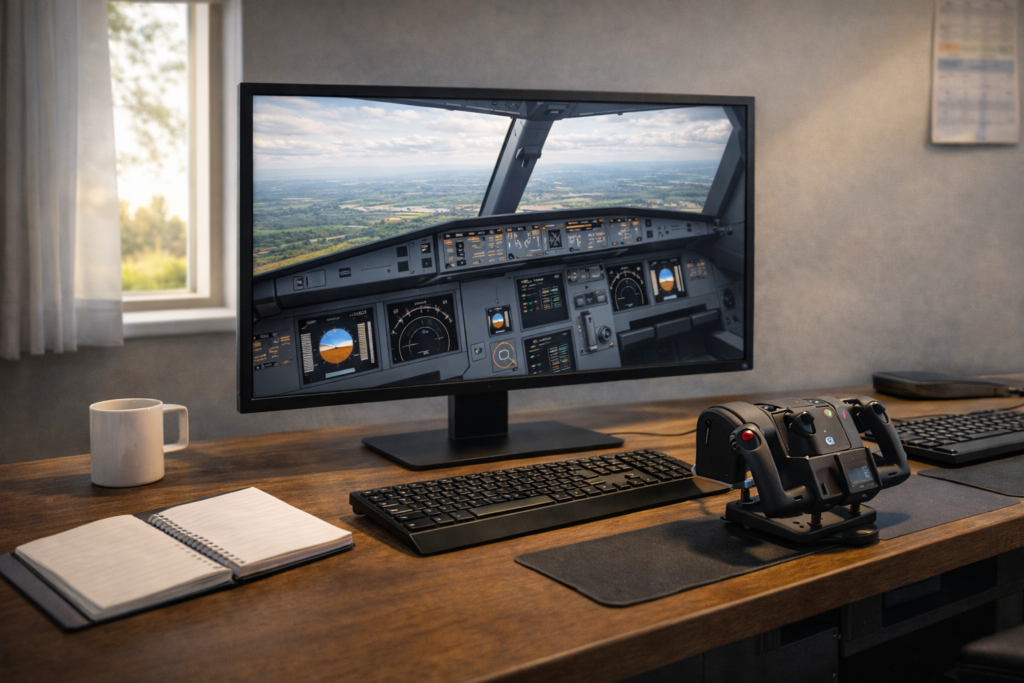
Popular Add-ons for Beginners
Microsoft Flight Simulator 2024 provides one of the most immersive aviation experiences available on a home computer. In this section, we explore the concept in detail so that new pilots understand both the practical and theoretical sides of the simulator. Learning flight simulation is very similar to learning real flying fundamentals: you start with the basics, practice regularly, and gradually build confidence.
For beginners, it is important to remember that flight simulation is not about memorising hundreds of procedures immediately. Instead, it is about understanding a few core principles and repeating them until they become natural. These principles include maintaining stable aircraft control, understanding airspeed and altitude, and developing the habit of scanning the cockpit instruments while also observing the outside environment.
- Maintain stable pitch control
- Monitor airspeed carefully
- Use smooth throttle adjustments
- Keep the aircraft aligned with the horizon
- Practice small, gentle control inputs
One of the advantages of Microsoft Flight Simulator is that you can repeat flights as often as you like. If a landing does not go well, simply start another flight and try again. Over time, small improvements add up, and the simulator begins to feel far more natural.
Building Confidence Through Practice
Microsoft Flight Simulator 2024 provides one of the most immersive aviation experiences available on a home computer. In this section, we explore the concept in detail so that new pilots understand both the practical and theoretical sides of the simulator. Learning flight simulation is very similar to learning real flying fundamentals: you start with the basics, practice regularly, and gradually build confidence.
For beginners, it is important to remember that flight simulation is not about memorising hundreds of procedures immediately. Instead, it is about understanding a few core principles and repeating them until they become natural. These principles include maintaining stable aircraft control, understanding airspeed and altitude, and developing the habit of scanning the cockpit instruments while also observing the outside environment.
- Maintain stable pitch control
- Monitor airspeed carefully
- Use smooth throttle adjustments
- Keep the aircraft aligned with the horizon
- Practice small, gentle control inputs
One of the advantages of Microsoft Flight Simulator is that you can repeat flights as often as you like. If a landing does not go well, simply start another flight and try again. Over time, small improvements add up, and the simulator begins to feel far more natural.
Final Thoughts
Microsoft Flight Simulator 2024 provides one of the most immersive aviation experiences available on a home computer. In this section, we explore the concept in detail so that new pilots understand both the practical and theoretical sides of the simulator. Learning flight simulation is very similar to learning real flying fundamentals: you start with the basics, practice regularly, and gradually build confidence.
For beginners, it is important to remember that flight simulation is not about memorising hundreds of procedures immediately. Instead, it is about understanding a few core principles and repeating them until they become natural. These principles include maintaining stable aircraft control, understanding airspeed and altitude, and developing the habit of scanning the cockpit instruments while also observing the outside environment.
- Maintain stable pitch control
- Monitor airspeed carefully
- Use smooth throttle adjustments
- Keep the aircraft aligned with the horizon
- Practice small, gentle control inputs
One of the advantages of Microsoft Flight Simulator is that you can repeat flights as often as you like. If a landing does not go well, simply start another flight and try again. Over time, small improvements add up, and the simulator begins to feel far more natural.
Frequently Asked Questions
Many beginners have similar questions when they first start flying in Microsoft Flight Simulator. Below are a few helpful explanations that may clarify common areas of confusion.
Is flight simulation difficult to learn? The answer depends largely on how you approach the simulator. If you try to learn everything at once, it may feel overwhelming. However, if you focus on the basics and practice simple flights regularly, progress happens surprisingly quickly.
Do you need expensive hardware? Not necessarily. While powerful computers and dedicated flight controls can improve the experience, many pilots begin using a simple joystick or even a game controller.
- Start with a simple aircraft
- Fly in clear weather conditions
- Practice short flights between nearby airports
- Focus on smooth takeoffs and landings
With patience and curiosity, the simulator becomes an extraordinary learning tool and an enjoyable long‑term hobby.